How Much Does Crack Sealing Cost for a Driveway, Foundation, or Concrete Slab in the Twin Cities?
Last updated: September 10, 2026
Key Takeaways
- Some materials are walk-on fast but not fully cured for 24 to 72 hours; consult a professional and check the manufacturer’s guidance before use.
- Paul often costs $150 to $500 for isolated cracks, and more if the driveway has many joints, alligator cracking, or surface spalling.
- Concrete does not work that way.
- In this climate, that failure often shows up after the first hard freeze or the first spring thaw.
Crack sealing usually costs less than a full replacement and more than a quick patch. In the Twin Cities, though, the price hinges on crack length, crack width, access, and whether the work is on a driveway, a foundation wall, or a slab. For most small residential jobs in Minneapolis, St. Paul, and nearby suburbs like Bloomington, Edina, Maple Grove, and Woodbury, I would expect a contractor to quote by the linear foot or by the job, not by a single flat price. Crack sealing is also something homeowners often compare alongside related repairs, so internal resources on driveway repair, foundation crack repair, and concrete slab repair can help you frame the estimate before you call.
Trying to decide whether to call now? Here’s the short version: hairline cracks are usually the cheapest, active water leaks are generally the most expensive, and foundation work often costs more than driveway sealing because the prep and liability are higher. The Twin Cities freeze-thaw cycle, clay-heavy soils in many neighborhoods, and spring thaw make crack sealing a practical maintenance item here, not a cosmetic extra. For moisture and freeze-thaw basics, see the Minnesota Department of Transportation and the University of Minnesota Extension.
How much does crack sealing cost in the Twin Cities?

Crack sealing in Minneapolis–St. Paul often lands in the $150 to $900 range for a typical residential job, with larger or leak-prone foundation repairs running higher if epoxy, polyurethane, or interior drainage work is involved. That spread is wide because a one-car driveway crack and a basement wall crack leaking after snowmelt are not the same animal. For general crack-sealing guidance, see this overview from the Portland Cement Association and the University of Minnesota Extension.
Here is the kind of breakdown I would use when comparing quotes in the metro:
| Service type | Typical local price range | What usually changes the price |
|---|---|---|
| Asphalt driveway crack sealing | $150–$500 | Linear feet, crack width, cleanup, hot-pour material |
| Concrete driveway crack filling/sealing | $200–$700 | Surface prep, joint repair, edge spalling, access |
| Garage slab or patio slab cracks | $175–$600 | Interior access, moisture level, movement in the slab |
| Foundation wall crack sealing | $300–$900+ | Crack type, inside vs outside access, active leak, injection method |
| Emergency leak seal on foundation crack | $500–$1,500+ | Same-day response, water intrusion, drying, interior cleanup |
Those are working ranges, not promises. A 20-foot driveway crack that is clean and dry is a very different job from a 12-foot foundation crack in a leaky basement on the east side of St. Paul after a wet April.
The two biggest price drivers are usually length and condition. A contractor can seal a simple crack quickly if the concrete is stable and the crack is dry. But if the crack is moving, crumbling, or full of old sealant, the labor jumps fast — like the quote got hit with a surprise tax.
What does driveway crack sealing cost in Minneapolis and St. Paul?
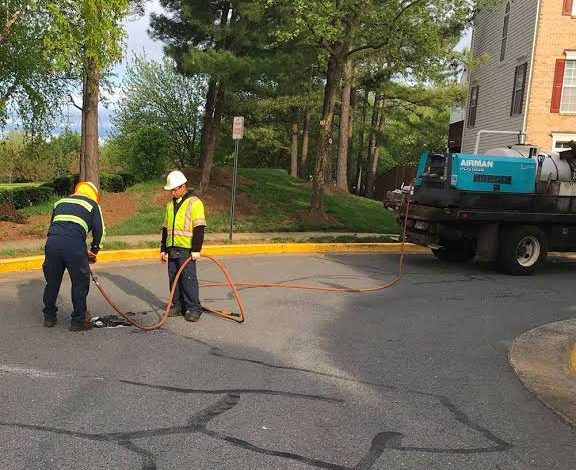
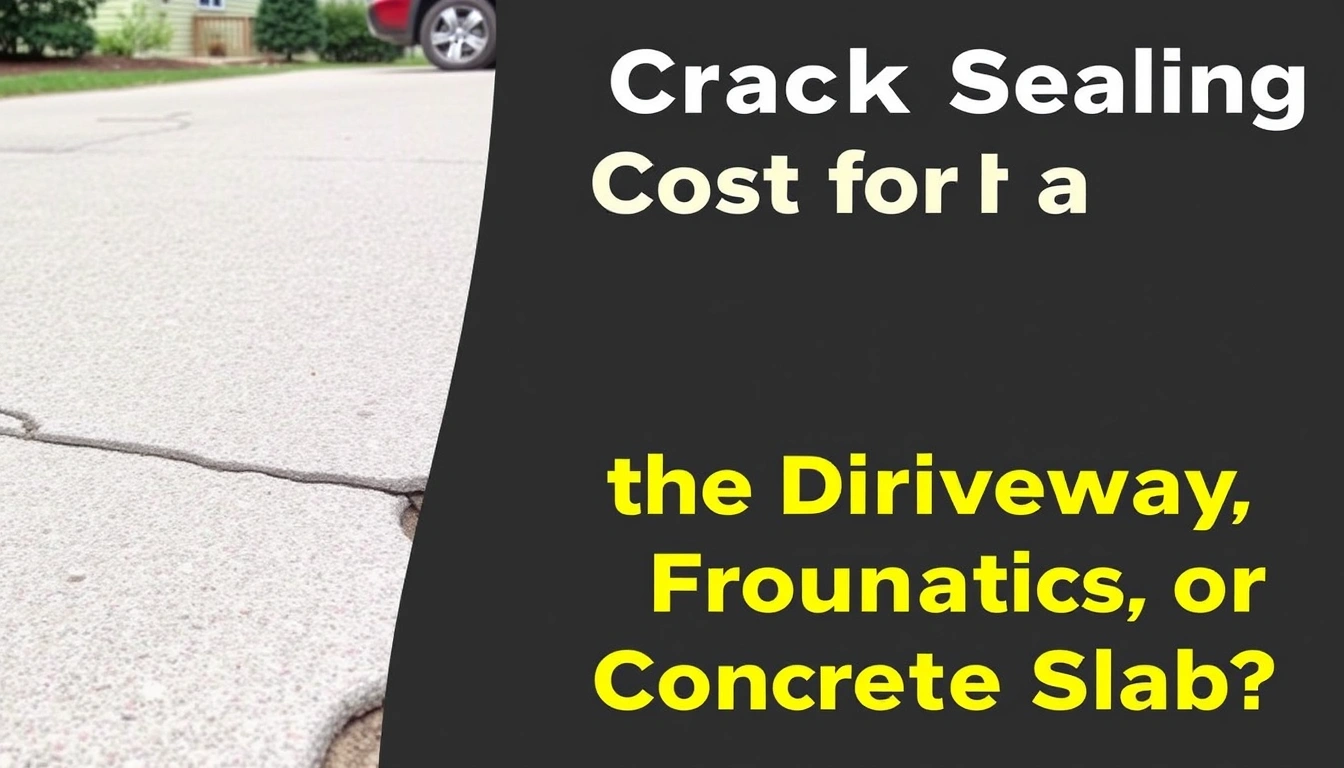
Driveway crack sealing for a typical home in Minneapolis or St. Paul often costs $150 to $500 for isolated cracks, and more if the driveway has many joints, alligator cracking, or surface spalling. Asphalt driveways are often cheaper to treat than concrete driveways because hot-pour crack sealant is a common maintenance method and the prep is straightforward, though a contractor can confirm that based on the condition of the surface.
A few practical differences matter in the Twin Cities:
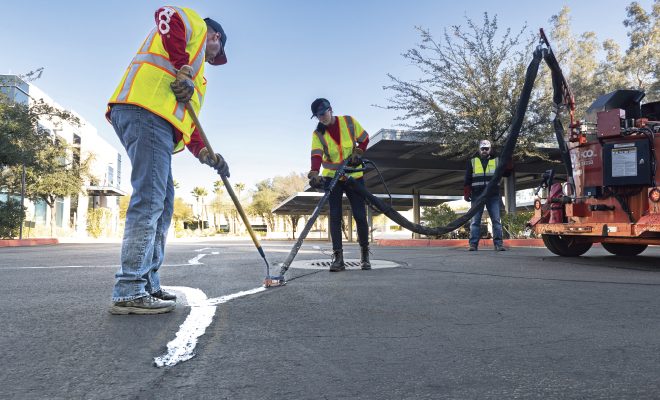
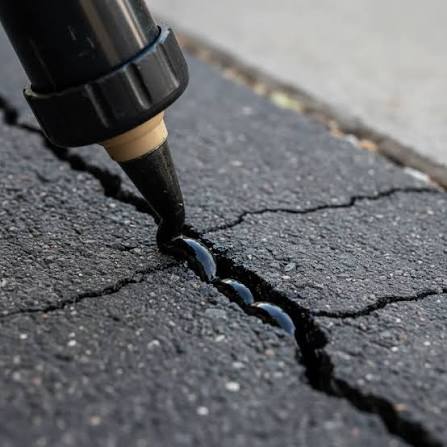
- Asphalt driveways in neighborhoods like Nokomis, Highland Park, or Roseville often get hot-pour rubberized sealant. That is generally faster and less expensive than structural repair.
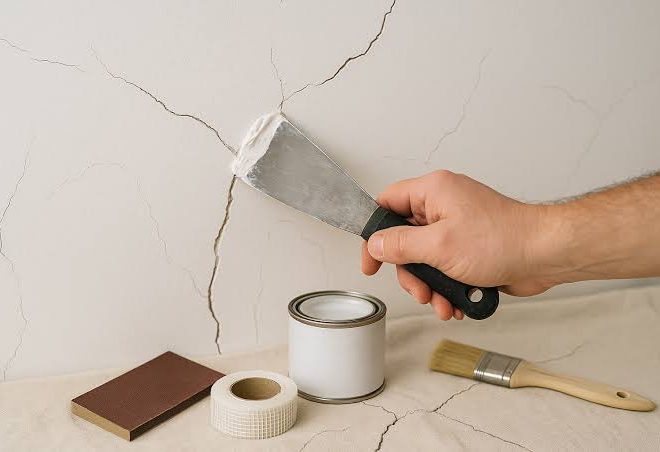
- Concrete driveways in areas such as Eagan, Plymouth, or Woodbury may need routed cracks, flexible polyurethane, or joint sealant if the concrete has started to move or shed edges.
- Older driveways with salt damage, scaling, or repeated plow strikes can cost more because the crack is rarely the only problem.
- Long driveway runs on larger lots in Maple Grove, Eden Prairie, or Shoreview can cost more simply because of length and access.
If a contractor quotes you a price that seems low, ask whether it includes crack routing, backer rod, hot-pour material, and cleanup. A cheap quote that skips prep is usually the sort of thing that falls apart after one winter.
How much does foundation crack sealing cost?
Foundation crack sealing in the Twin Cities usually costs $300 to $900 or more, depending on whether the crack is dry, leaking, inside, outside, or active during spring thaw. That is a different category from driveway work because the goal is not just to hide a crack; it is to stop water entry and protect the basement.
Here is the practical split I would watch for:
- Dry hairline foundation crack: often on the lower end, especially if the contractor can inject epoxy or polyurethane from the interior.
- Leaking wall crack: more expensive because it may require polyurethane injection, exterior excavation, or both.
- Horizontal crack or bowing wall: this is not simple sealing work and may require structural evaluation. I would not treat that as a routine crack-sealing quote without checking with a qualified professional.
- Block foundation crack or mortar joint leak: common in older homes in St. Paul and parts of Minneapolis, and the repair can vary widely because block walls behave differently from poured concrete.
The soil here matters. In much of the metro, clay and silty clay hold water. When spring thaw hits and the frost leaves the ground unevenly, hydrostatic pressure pushes water toward basement walls. That is why foundation crack sealing is often a spring call, not a summer convenience.
If you are shopping this in a house with a finished basement, ask whether the quote includes interior patching after injection. Some contractors stop at the structural seal; others include a cosmetic finish repair. Those are not the same thing.
What changes the price in this area?
The Twin Cities price changes because the ground, the season, and the surface all affect the repair. A quote in Minneapolis can be different from one in Blaine or Burnsville for reasons that have nothing to do with the contractor’s mood.
The main local variables are:
-
Freeze-thaw cycles
Minnesota winters make cracks move. A crack that looks stable in July can open wider by March. Sealers that are not flexible enough tend to fail faster here. -
Clay and poorly draining soils
In parts of Hennepin, Ramsey, Dakota, and Washington counties, water sits near foundations longer than homeowners expect. That means more leaking foundation cracks and more repeat visits. -
Age of the home
Older Minneapolis and St. Paul homes often have settled foundations, patchwork repairs, or previous sealants that need removal. Prep time costs money. -
Access
A straight driveway in a newer suburb is easier than a tight side-yard slab in south Minneapolis or a backyard patio with fencing and landscaping in Richfield. -
Permit or code issues
Simple crack sealing usually does not need a permit, but work that becomes structural repair, exterior excavation, or drainage correction may fall into a different category. If the job starts to involve basement waterproofing, wall stabilization, or major concrete replacement, I would ask the contractor how they handle local permit requirements in your city.
Broad rule: the wetter the issue and the more movement in the concrete, the less “seal it and forget it” the job becomes.
How long does crack sealing take?
Most residential crack sealing jobs take 1 to 4 hours, while bigger foundation repairs can take half a day to a full day, not counting cure time. If the contractor has to dry the crack, route it, or wait on moisture conditions, the calendar time can stretch.
Typical timelines:
- Driveway crack sealing: often 1 to 3 hours for a small job
- Garage slab or patio crack repair: about 1 to 4 hours
- Foundation crack injection: often 2 to 6 hours, depending on access and leak severity
- More complex foundation repair: a full day or more
Cure time matters. Some materials are walk-on fast but not fully cured for 24 to 72 hours. In the Twin Cities, I would be careful about scheduling sealant work right before a rainstorm, a freeze, or a plow event. Autumn is often a better window than late November, when temperatures can drop too low for proper adhesion. The Minnesota Department of Transportation also notes that temperature and moisture affect concrete performance, which is one reason contractors watch the forecast closely.
Need same-day work in Minneapolis, St. Paul, or nearby suburbs? Say that up front. Emergency leak calls are usually more expensive than scheduled maintenance because the contractor is trading flexibility for speed.
How do I know if a quote is fair?
A fair quote explains the crack type, the material, the prep, and whether the repair is cosmetic or structural. If the estimate only gives you one number and no method, I would keep asking questions.
For a Twin Cities job, I want to see at least these details:
- Measured crack length in feet
- Crack width or movement description
- Material used: hot-pour sealant, polyurethane, epoxy, or flexible joint filler
- Prep steps: cleaning, routing, drying, grinding, or removing old sealant
- Warranty language and what it excludes
- Whether the crack is active during rain or snowmelt
- Any drainage recommendation if the foundation is involved
A quote should also say what the contractor is not fixing. A driveway crack seal is not a promise that the slab will stop settling. A foundation crack injection is not the same as solving grade, gutter, or sump pump problems.
I would be cautious if a contractor in Minneapolis or St. Paul gives a rock-bottom price without mentioning prep, or if they promise that a single seal will “permanently” fix a wall that has moved. Concrete does not work that way.
Red flags: what a bad crack sealing job looks like
A bad crack sealing job usually fails in the same places: poor prep, wrong material, or ignoring movement. In this climate, that failure often shows up after the first hard freeze or the first spring thaw.
Watch for these warning signs:
- Sealant sits on top of dust or old flaky material
- The crack is still wet and nobody waits for drying time
- The repair is hard and brittle where flexibility is needed
- The installer skips cleaning or routing on a driveway crack
- The foundation job ignores water entry and only patches the interior stain
- The quote sounds like a permanent fix for a problem caused by settling
One honest limitation: not every crack should be sealed as a standalone repair. Horizontal basement cracks, stair-step cracks in block walls, and wide slabs with differential settlement may need structural evaluation or drainage work, not just sealant. If the wall is bowing, the crack is widening every season, or there is repeated water intrusion in March and April, I would move beyond simple crack sealing.
How to choose a contractor serving Minneapolis, St. Paul, and nearby suburbs
Choose the contractor who can explain the crack in plain language and match the fix to the surface, not the one who gives the fastest price. In the Twin Cities, that means someone who understands driveway wear from snowplows in Edina, foundation moisture in older St. Paul homes, and slab movement in newer developments in Blaine, Lakeville, or Plymouth.
A good local contractor should be able to tell you:
- whether the crack is structural or non-structural
- whether they are sealing from the inside, outside, or both
- what material they plan to use and why
- how long the repair should last under Minnesota weather
- whether you need regrading, gutter correction, or drainage help later
That is the kind of conversation worth having before you book. If the answer is vague, the repair probably will be too.
FAQ: crack sealing cost in the Twin Cities
Can I get same-day crack sealing for a basement leak?
Sometimes, yes, if the leak is small and the contractor has the right injection materials available. Same-day service is more likely in Minneapolis, St. Paul, and close-in suburbs than in outlying towns, and it usually costs more than scheduled work.
Is a free estimate normal?
Yes, many contractors offer a free estimate for driveway crack sealing or a simple foundation crack review, but that estimate should still identify whether the repair is cosmetic, waterproofing-related, or structural.
Do I need to seal every crack in my driveway or slab?
No. Hairline shrinkage cracks that are stable may only need monitoring, while active, widening, or leaking cracks deserve repair. I would not pay for unnecessary sealing if the crack is not moving and not letting in water.
What is the best time of year to do this in Minnesota?
Late spring through early fall is usually easiest because temperatures help sealants cure properly. I would avoid scheduling critical exterior crack work during deep winter unless it is an emergency.
Should I call about a foundation crack even if the basement is only damp, not flooded?
Yes. Dampness after snowmelt or heavy rain can be the first sign of a leak path, and catching it early often keeps the repair smaller and cheaper.
If you are in Minneapolis, St. Paul, or nearby suburbs and trying to decide whether to book now, my practical answer is simple: small driveway cracks can often wait a little, but any foundation crack that leaks, grows, or changes with the seasons should be quoted soon.