Should You Seal Small Cracks Now or Wait for a Bigger Repair?
Last updated: September 10, 2026
Key Takeaways
- For that reason, I’d leave a crack open just long enough to mark it when I suspect movement, then check again after 30 to 90 days.
- Suspect active movement? Leave it visible for 30 to 90 days. Watch it.
- A good contractor should say whether the work belongs now or after a monitoring period.
- Small, dry, unmoving crack? I’d seal it now, not later.
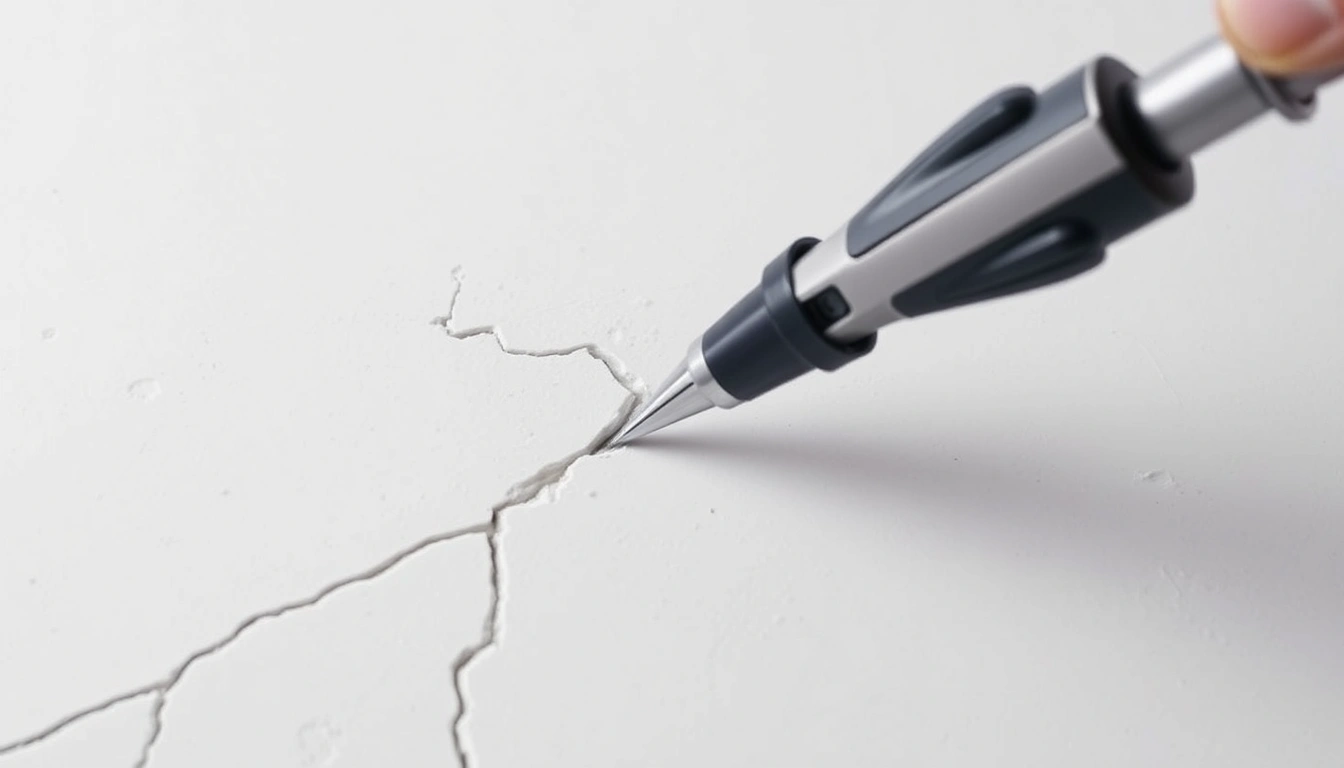
- The short answer: fix small cracks now if they are stable
- How do I tell a harmless crack from a repair that should not wait?
- What it costs in Phoenix to seal small cracks now
- Phoenix weather and soil change the answer
- How to vet a crack repair contractor in Phoenix
- When waiting makes sense
- Red flags that mean do not just seal it
- FAQ: Should You Seal Small Cracks Now or Wait for a Bigger Repair?
- My bottom line
A small, dry crack that is not moving? I’d seal it now. The real question in should you seal small cracks now or wait for a bigger repair is not about size alone. It comes down to whether the crack is cosmetic, tied to moisture, or the first visible hint of a foundation, masonry, drywall, or concrete problem that gets pricier if you ignore it.
In Phoenix, that question carries weight because heat, monsoon moisture, and expansive clay soils in parts of the Valley can turn a harmless-looking line into a bigger repair by the next season. A 1/16-inch hairline crack in drywall is one thing; a stair-step crack in block or a slab crack that keeps opening is another. I’d judge by movement, location, and what the surface is telling me. The Arizona Registrar of Contractors and the U.S. Environmental Protection Agency both point out that visible damage can signal underlying issues, not just surface wear. Fair enough.
The short answer: fix small cracks now if they are stable
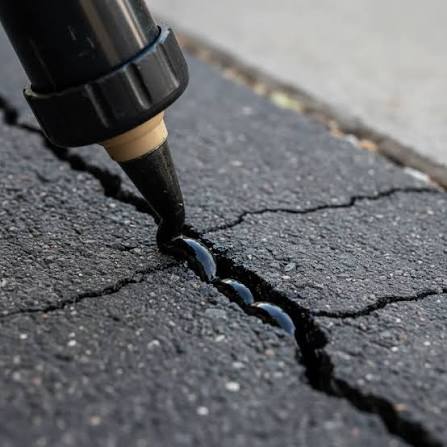
So, should you seal small cracks now or wait for a bigger repair? If the crack is hairline, dry, and unchanged for at least a few months, sealing now is usually the smarter call.
That especially applies to:
- interior drywall hairlines under about 1/8 inch
- stucco shrinkage cracks less than about 1/16 to 1/8 inch
- minor concrete surface cracks that are not displaced
- non-structural gaps around trim, window casings, and door frames
- small mortar defects that are not tied to a wider wall failure
In Phoenix, Scottsdale, Tempe, Mesa, Chandler, and Glendale, I’d be more cautious about waiting through summer. Desert heat dries out caulk lines and pulls materials apart; then monsoon moisture slips into the weak spot. A small crack that stays dry in February may start admitting water in July. Ugly little trap. The University of Arizona Cooperative Extension notes that local soil and moisture conditions can affect foundations and exterior finishes.
Waiting only makes sense when you are not sure the crack is cosmetic. If the line is getting longer, wider, or offset on one side, stop thinking “sealant” and start thinking “diagnosis.” A tube of caulk does not solve settling, slab movement, rebar corrosion, or water intrusion. Unsure? Bring in a qualified contractor or structural professional before you cover anything up.
How do I tell a harmless crack from a repair that should not wait?

A harmless crack stays thin and stays put. A moving, offset, leaking, or repeatedly patched crack needs a closer look. Simple.
Here is the simplest field test I would use:
- Hairline to 1/16 inch, dry, and unchanged: usually safe to seal or patch.
- 1/8 inch or wider: worth evaluating before you cover it.
- Any crack with one side higher than the other: do not treat it as cosmetic; consult a professional.
- A crack that follows a door or window corner and keeps returning: could be movement at the opening.
- Stair-step cracks in block, brick, or stucco over masonry: more concerning than a straight shrinkage line.
- Fresh water stains, rust marks, or powdery efflorescence: the crack is already doing damage.
In Phoenix-area homes, I’d pay close attention to cracks near slab edges, garage walls, and southwest-facing exterior walls. Those spots take a beating from thermal stress. On older homes in central Phoenix, Tempe, and Mesa, you also see more patch-and-reappear problems where the original crack was sealed without fixing the cause.
A trade-off matters here: sealing now can hide the symptom, which is fine if the symptom is all it is. It is not fine if you need the crack visible to monitor movement. For that reason, I would leave a crack open long enough to mark it if I suspect movement, then reassess after 30 to 90 days. If it grows, you learned something. If it does not, sealing is usually reasonable. Funny how a pencil line can tell you more than fresh caulk.
What it costs in Phoenix to seal small cracks now
So, should you seal small cracks now or wait for a bigger repair? Sealing now usually costs less than waiting for a larger repair, but the price depends on the material and whether the crack is cosmetic or structural.
Here is a practical general range for Phoenix and nearby East Valley and West Valley neighborhoods:
| Service type | Typical local price range | Typical time |
|---|---|---|
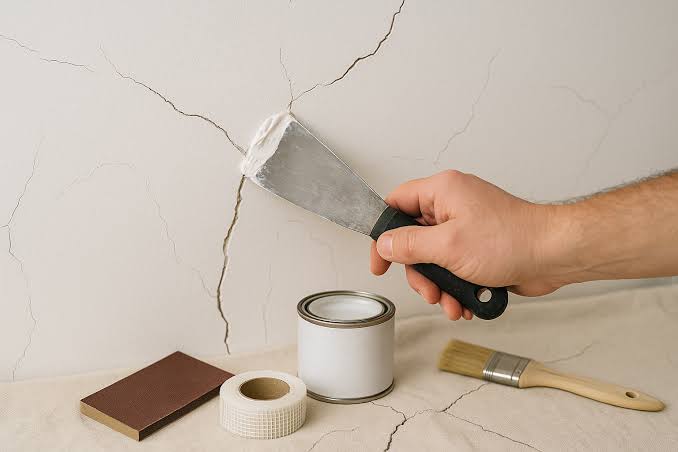
| Drywall crack patch and paint touch-up | $150 to $450 | 1 to 3 hours |
| Interior caulk/seal small trim or window cracks | $100 to $300 | 1 to 2 hours |
| Stucco crack repair on a small section | $250 to $700 | 2 to 6 hours |
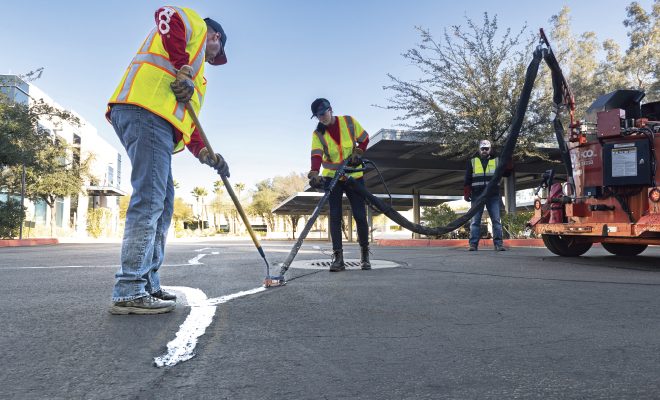
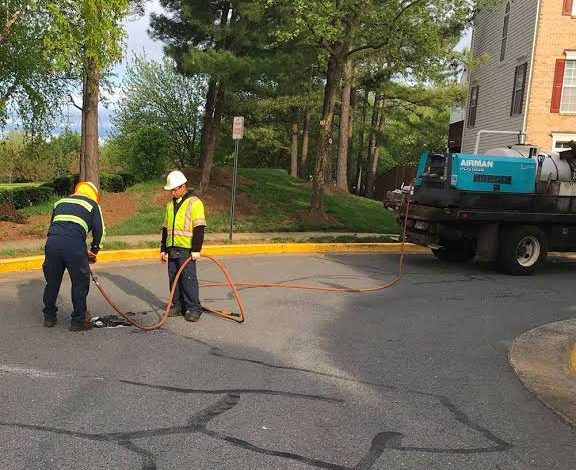
| Concrete crack sealing with flexible filler | $200 to $600 | 1 to 4 hours |
| Masonry crack repair and tuckpointing on a limited area | $300 to $900 | Half-day to 1 day |
| Evaluation for suspected structural movement | $150 to $500+ | 1 visit |
Those are not hard quotes; they are the sort of ranges a homeowner in Phoenix, Paradise Valley, Peoria, or Gilbert should expect before any hidden damage is found. Access matters too. A second-story exterior crack, a stucco wall over landscaping, or a garage slab crack near stored items can push labor up fast.
The expensive part is usually not the sealant. It is prep, cleanup, repainting, and any repair that reveals a deeper issue. If a “small crack” turns out to be active foundation movement, the cost can jump from a few hundred dollars into a much larger project. That’s why I’d rather spend a modest amount on sealing and monitoring now than gamble on a bigger surprise later. For budgeting, compare the repair quote with local pricing from Phoenix-area contractors and with the building guidance from the International Code Council.
Phoenix weather and soil change the answer
Phoenix heat, sun, and soil movement make early sealing more attractive. They also make it easier to miss a problem.
The Valley’s climate creates a few pressure points:
- summer heat dries out sealants and widens existing gaps
- monsoon storms push water into cracks that were harmless when dry
- some local soils expand and contract with moisture, which can move slabs and masonry
- UV exposure ages exterior caulks and coatings faster on south- and west-facing walls
Timing matters as much as the crack itself. I wouldn’t wait until the next monsoon if a crack is already visible in April or May. I’d patch and monitor before the wet season, at minimum.
For stucco homes common in Phoenix, Scottsdale, Chandler, and Gilbert, small shrinkage cracks are routine, especially on sun-exposed sides. Those usually belong in the “seal now” bucket. For older block homes in central Phoenix or Glendale, cracks that track through mortar joints or step along masonry lines deserve more caution, because they can reflect movement instead of surface shrinkage.
One honest limitation: sealing does not stop settlement. It only keeps water and air out and can slow cosmetic damage. If the cause is soil movement, roof leak, or plumbing moisture, the crack may come back. That is not a sealant failure; it means the wrong problem got addressed first. The EPA and Arizona ROC both point homeowners back to the underlying cause when damage keeps returning.
How to vet a crack repair contractor in Phoenix
Because the right fix depends on the cause, a good contractor will tell you when not to seal yet. If the person only wants to caulk over everything, I’d keep looking.
When I screen a Phoenix-area repair pro, I look for a few basics:
- clear distinction between cosmetic and structural cracking
- willingness to explain whether the crack needs monitoring first
- familiarity with stucco, block, drywall, and slab repair, not just one material
- discussion of prep, not just the finish product
- awareness of Arizona licensing and permit rules when the work crosses into structural repair
In Arizona, contractors performing work over certain monetary thresholds generally need appropriate state licensing through the Arizona Registrar of Contractors. Structural work, major masonry changes, and some foundation repairs may also trigger permit or engineering review through the local city, such as Phoenix, Mesa, Tempe, or Scottsdale, depending on the scope. I would not ask a crack repair contractor to “figure it out as they go” if the wall is bearing load or if the slab is moving. The ROC and the City of Phoenix both outline when licensed or permitted work is required.
A strong contractor should also tell you whether the job is best done now or after monitoring. That sounds like bad salesmanship. It isn’t. It’s judgment. If you want a second opinion, our home inspection checklist can help you document what you are seeing.
When waiting makes sense
Waiting makes sense when the crack is too new, too active, or too suspicious to cover.
I would wait and watch if:
- the crack is widening week to week
- the crack is offset or stepped
- doors or windows nearby are sticking
- you see new ceiling cracks after rain
- the crack returns after an earlier patch
- there is evidence of foundation settlement, roof leakage, or plumbing moisture
For a homeowner in Phoenix, waiting can also make sense in one specific case: if you are already planning a larger remodel that will expose the area anyway. For example, if a wall will be opened during a kitchen remodel in Mesa or a room addition in Chandler, it may be smarter to coordinate the crack repair with the broader project. That avoids paying twice for demo and paint.
But I wouldn’t use “waiting for the bigger repair” as a vague excuse to ignore a crack for a year. Small cracks are cheap when they are small. They become expensive when water, dust, or movement keeps chewing at them. If the crack matters now, fix the cause now and schedule the finish work around it. Short version: don’t feed the problem.
Red flags that mean do not just seal it
Do not just seal it if the crack comes with any of these signs:
- one side is higher than the other by even a small amount
- the crack is wider than about 1/8 inch
- it runs diagonally from a window or door corner and keeps extending
- there is staining, rust, or white mineral buildup
- you can see daylight, insect intrusion, or air movement
- the crack is in a load-bearing wall or masonry wall that has shifted
In Phoenix and the surrounding suburbs, I’d be especially careful with garage slabs, perimeter block walls, and stucco cracks that reappear after the first monsoon. Those are the places where a cosmetic-looking issue can point to something structural or moisture-related.
If the crack is in a foundation wall, slab, or exterior masonry and you suspect movement, a structural engineer or qualified foundation specialist is the right next call, not a tube of filler. That is a higher-cost path, but it is cheaper than masking a problem that keeps growing. In other words, if the crack is telling you the structure is moving, do not treat it as a simple patch job; consult a professional. Clean and simple.
FAQ: Should You Seal Small Cracks Now or Wait for a Bigger Repair?
Can I get same-day crack sealing in Phoenix?
Yes, for small cosmetic cracks, same-day or next-day service is often realistic in Phoenix, Scottsdale, Tempe, Mesa, or Glendale, especially for interior drywall, trim caulk, or a small stucco patch. Structural assessment usually takes longer than a simple seal.
Is a free estimate enough for a crack repair?
A free estimate is fine for obvious cosmetic cracking, but I’d want a more careful paid evaluation if the crack is widening, offset, or tied to doors, windows, or a slab. A quick price visit is not the same as a diagnosis. The right answer to should you seal small cracks now or wait for a bigger repair starts with what the crack is doing, not the first number you hear.
Should I seal a hairline stucco crack before monsoon season?
Yes, if the crack is dry and stable. In Phoenix, I would rather seal a hairline stucco crack before summer storms than wait for water to use it as a path in July or August. The Arizona Department of Housing and the EPA both stress early moisture control.
What if the crack keeps coming back after repair?
Then the seal was treating a symptom, not the cause. Recurrent cracks often point to movement, moisture, or substrate failure, and they usually need a different repair method or a structural review. If that is the pattern, should you seal small cracks now or wait for a bigger repair? Wait for diagnosis first.
Is there ever a reason to leave a crack unsealed?
Yes. If you suspect active movement, leaving it visible for 30 to 90 days can help you see whether it is changing. I would only do that when monitoring is the point and when water is not already getting in.
My bottom line
I’d seal a small crack now if it is stable, dry, and clearly cosmetic. I’d wait only if the crack is moving, offset, leaking, or tied to a bigger issue that needs diagnosis first.
In Phoenix and nearby communities like Scottsdale, Mesa, Chandler, Gilbert, Glendale, and Peoria, the heat and monsoon cycle make small cracks more likely to spread or admit water. That is why early, modest repair usually wins. The exception is a crack that looks small but behaves like a structural one. That belongs in the “find the cause first” bucket.
If you are standing in front of a crack and wondering whether to spend a little now or risk a lot later, my rule is simple: seal the stable ones, investigate the moving ones, and never hide a crack that is trying to tell you the wall is changing.