How to Get a Crack Sealing Estimate: What Contractors Look For
Last updated: September 10, 2026
Key Takeaways
- I would compare these items line by line: Measured quantity: Did the contractor estimate 200 feet, 500 feet, or the whole lot?
- A 300-foot job with no cleaning clause is different from a 300-foot job with routing and air blasting.
- How fast can I get an estimate?
- In Maricopa County, the first estimate usually depends on pavement type, crack width, surface condition, and access.
Phoenix, Mesa, Scottsdale, Chandler, Gilbert, and Tempe all have one thing in common: crack sealing estimates hinge on footage, pavement type, and whether the cracks are dry and clean enough to take sealant. The basic shape of how get crack sealing estimate: what contractors look for is simple, and once a lot has aging asphalt, raveled edges, or failed patchwork, the numbers can shift quickly. Simple enough. But not always cheap.
What contractors need to see before they price crack sealing
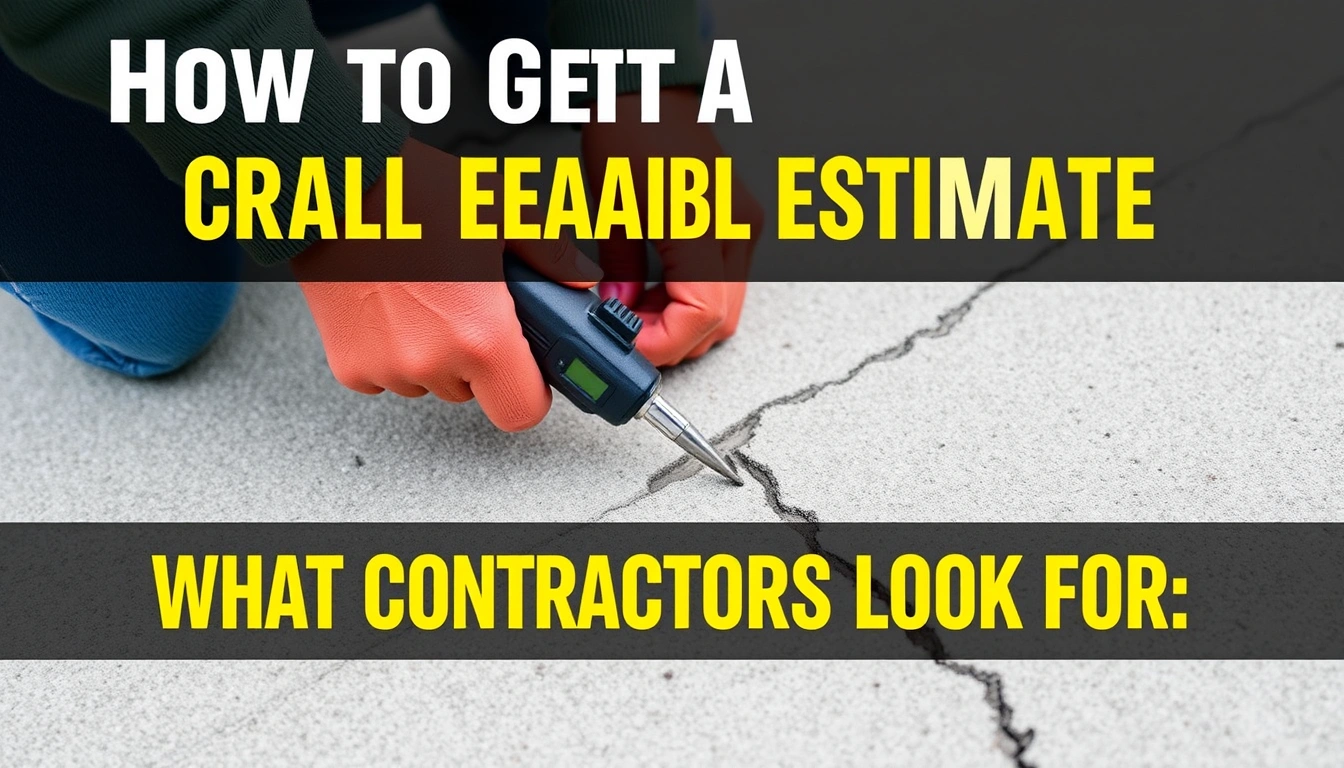
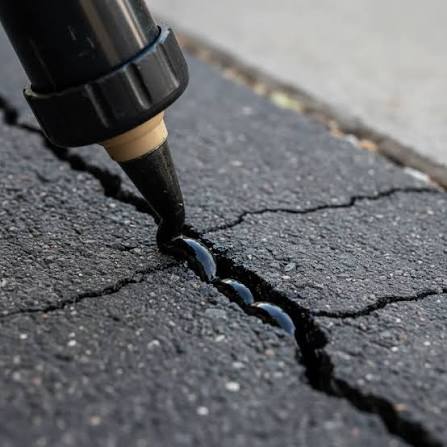
Contractors price crack sealing by linear feet, not by eyeballing the size of the lot, so a short driveway with lots of tight cracks can cost more than a larger space with only a few joints. In Maricopa County, the first estimate usually depends on pavement type, crack width, surface condition, and access.
For a useful estimate, I would expect the contractor to ask for:
- The location: driveway, apartment lot, retail center, HOA street, warehouse apron, or school parking area
- The pavement type: asphalt, concrete, or a mix
- The crack condition: hairline, 1/4 inch, 1/2 inch, alligator cracking, or crumbling edges
- The amount of sealing needed: spot repair, full crack sealing, or crack sealing plus sealcoating
- Access details: parked cars, gates, delivery traffic, dumpsters, or tight side yards
- The timing: same-day estimate, next-week scheduling, or work planned before monsoon season
Heat changes the game in Phoenix and the East Valley. Soft asphalt and high surface temperatures can affect crew speed, plain and simple. Winter mornings in Scottsdale or Tempe are often better for application, while midsummer afternoons are tougher on material and labor alike. That does not automatically raise the price, but it can affect the job window and drying time.
A good estimate is more than a number. It should spell out what is included, such as crack routing, cleaning, primer, backer rod, sealant type, and traffic control. If the quote is only one line and no scope, I would treat it as incomplete, and if you are unsure, consult a professional and check guidance from the Federal Highway Administration before you decide.
How much does crack sealing cost in Phoenix and the East Valley?
Crack sealing in the Phoenix metro area is usually priced by linear foot, by minimum service charge, or by job size, and the final number depends on site conditions. Small residential jobs usually carry a minimum charge because mobilization in places like Ahwatukee, North Phoenix, or South Tempe still takes time even when the crack count is low. No free lunch.
According to HomeAdvisor, costs vary widely by scope and location, so any local range should be treated as planning guidance, not a quote:
| Service type | Typical price range in Phoenix area |
|---|---|
| Small driveway minimum | $150–$350 |
| Crack sealing only, small residential job | $1.25–$3.50 per linear foot |
| Crack sealing on larger private lots | $0.75–$2.50 per linear foot |
| Crack routing before sealing | $1.00–$3.00 per linear foot extra |
| Cleaning and prep on heavily dusty surfaces | $50–$250 extra |
| Traffic control for commercial lots | $100–$500+ depending on scope |
Those ranges reflect the sort of work contractors quote across Phoenix, Mesa, Chandler, Gilbert, Glendale, and Scottsdale. A homeowner in Paradise Valley with a short driveway may pay more per foot because the minimum service charge matters more. A shopping center in Tempe or an apartment complex in Chandler may pay less per foot because the job is larger and easier to stage.
The biggest price drivers are not mysterious:
- Crack width and depth: wider cracks need more material
- Pavement failure: broken edges and alligator cracking often need patching, not just sealing
- Surface prep: dusty, sandy, or oil-stained pavement takes longer
- Access: if vehicles must be moved, expect extra labor time
- Weather window: monsoon moisture or very hot pavement can slow scheduling
If a contractor gives you a quote without asking about footage or site photos, I would question the estimate. Crack sealing is not a flat-price service in a climate like Phoenix, where UV exposure, oxidation, and extreme summer heat change pavement condition quickly. For more pricing context, Angi and the Asphalt Institute both note that condition, access, and prep drive the final cost.
What contractors look for during an on-site estimate
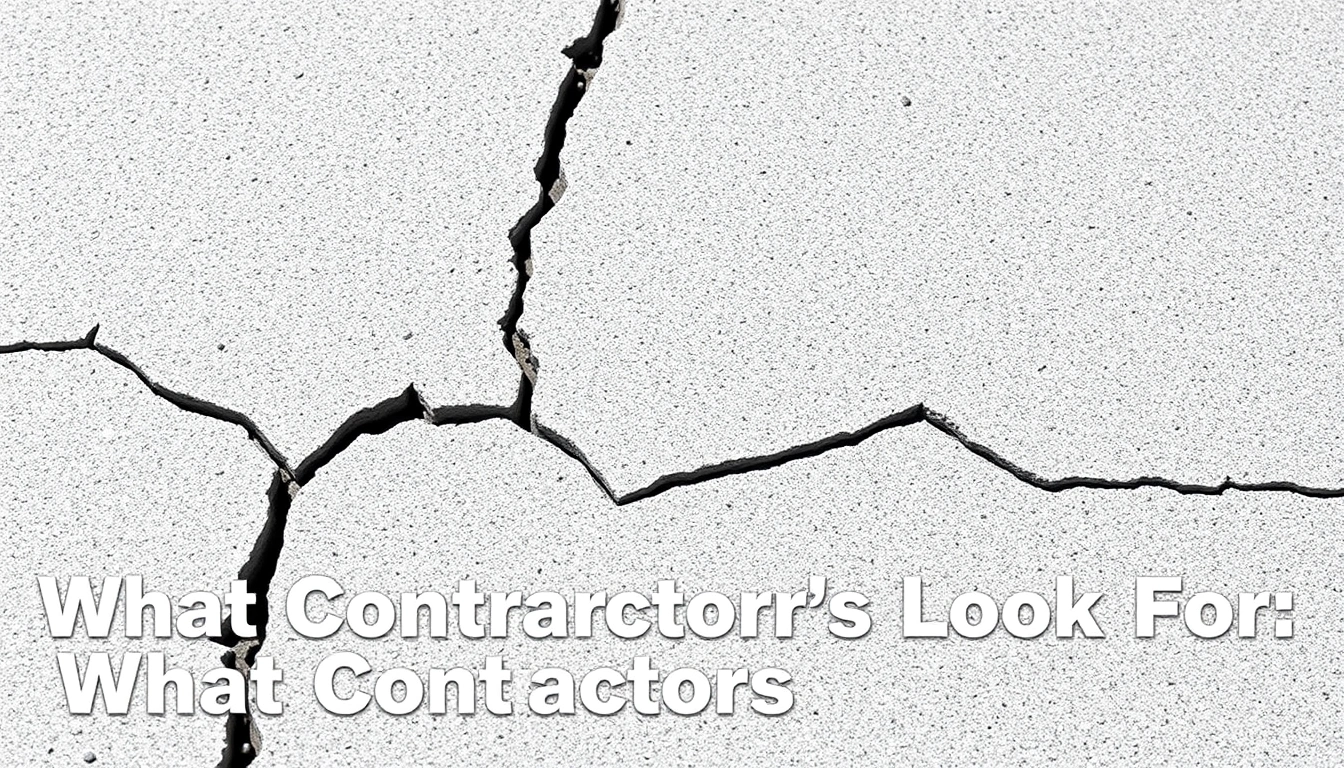
Contractors check whether the cracks are sealable at all, because some pavement problems are beyond crack sealing and need patching or resurfacing first. That distinction matters in places like Scottsdale and Mesa, where older lots often mix reflective cracks, sun-baked edges, and failed patch areas. Ugly stuff.
A contractor may inspect these details:
-
Crack type
- Working cracks that open and close with temperature changes are strong candidates.
- Block cracking and moderate longitudinal cracks are often sealable.
- Alligator cracking is a warning sign; sealing it may only hide a deeper failure for a short time.
-
Crack width
- Very narrow hairline cracks may need routing before sealant will stay in place.
- Cracks wider than about 1/2 inch often need more prep and sometimes filler rope or backer material.
-
Pavement condition around the crack
- If the asphalt has raveled edges, the sealant can fail early.
- If the base is moving, the crack may reopen quickly even after a proper seal.
-
Moisture and contamination
- Water, dust, sand, oil, and loose aggregate reduce bond.
- In the Valley, windblown grit and monsoon dust can make cleaning a bigger part of the job than people expect.
-
Previous repairs
- Old cold patch, smeared latex, or failed sealant can complicate prep.
- A contractor may need to remove loose material before resealing.
Drainage gets checked too. Even though Phoenix is dry much of the year, sudden storm runoff in Gilbert, Chandler, and Tempe can push water into low spots and shorten the life of a seal if the pavement traps moisture. If your lot has ponding, that should be discussed in the estimate, and it is worth checking NAPA or local city guidance for maintenance best practices.
How to compare estimates without getting burned
Compare crack sealing estimates by scope, not only by the bottom line, because two quotes with the same price can cover very different work. In the Phoenix area, the cheapest quote can be the one that leaves out prep, uses a thinner bead of sealant, or skips traffic control on a busy site. Cheap can get expensive fast.
I would compare these items line by line:
- Measured quantity: Did the contractor estimate 200 feet, 500 feet, or the whole lot?
- Prep method: Is cleaning included, and is routing included where needed?
- Material type: Is the contractor using a hot-applied sealant, a cold-applied product, or a specialty polymer system?
- Surface condition assumptions: Did they price around cracked edges, spalls, or oil spots?
- Return visit policy: Is touch-up included if a few spots fail after cure, and if that is unclear, consult a professional before signing?
- Work hours: Can they work early morning, after business hours, or on a weekend?
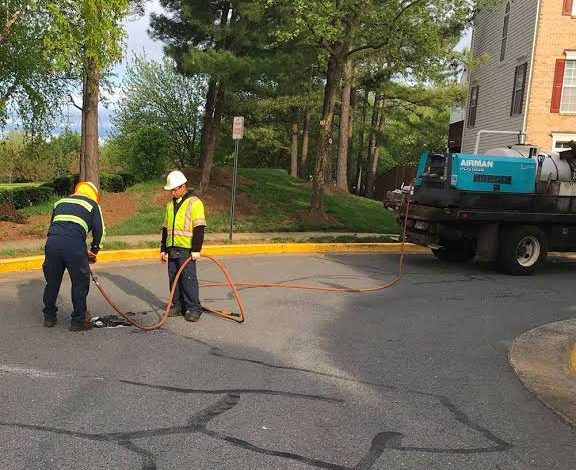
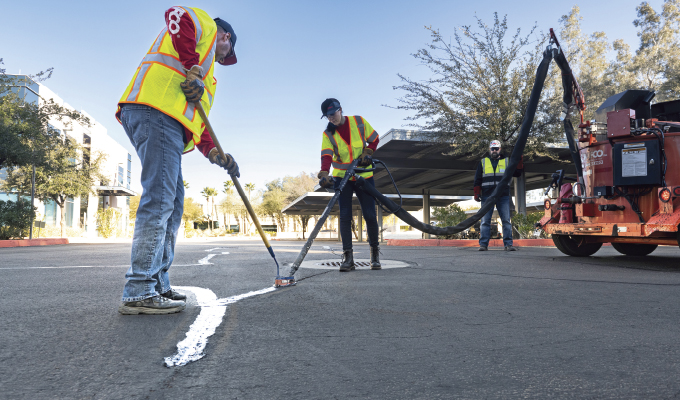
For commercial properties in Phoenix, Mesa, or Glendale, I would also ask whether the quote includes cones, signage, and phase-by-phase work so the lot stays partially open. That matters more at apartment communities in Scottsdale or retail centers along busy streets than on a private driveway in Ahwatukee.
One honest limitation: crack sealing is not the right fix for every lot. If the pavement has widespread alligator cracking, rutting, severe oxidation, or base failure, a contractor who only sells crack sealing may still quote it, but the result will be temporary. That is not a defect in crack sealing itself; it is a mismatch between repair and pavement condition.
Best time of year to schedule crack sealing in Phoenix
The best time of year to schedule crack sealing in Phoenix is usually during the cooler, drier parts of the year, when crews can work longer and moisture is less likely to interfere. October through April is often easier to schedule than peak summer, especially for larger lots in Tempe, Mesa, or Chandler, though a contractor can still do the work outside that window when conditions cooperate.
Here is why timing matters locally:
- Summer heat: Pavement surface temperatures can get high enough to shorten working time and affect handling.
- Monsoon moisture: Afternoon storms in July, August, and early September can interrupt prep and cure.
- Winter mornings: Cooler mornings can slow cure, but the day is usually more predictable.
- Dust and debris: Spring winds can fill fresh cracks with grit before the crew arrives.
Need it fast? Ask whether the contractor can do a same-day site visit or send a photo-based preliminary quote. That is common for smaller residential jobs in Phoenix and the East Valley, but a commercial estimate for a shopping center in Scottsdale or a multifamily lot in Gilbert usually needs an on-site walk and better measurement.
Permits are not usually the main issue for crack sealing on private property, but traffic control and right-of-way rules can matter if the work touches public streets, sidewalks, or city easements. If the job affects a public lane or curb area, the contractor should know local city requirements before starting. For standards and technical guidance, I would look at the National Asphalt Pavement Association, the Federal Highway Administration, and the Asphalt Institute for pavement maintenance references, sealant guidance, and crack-treatment terminology.
Useful references:
- Federal Highway Administration, pavement preservation resources: https://www.fhwa.dot.gov/pavement/preservation/
- National Asphalt Pavement Association, maintenance and preservation guidance: https://www.asphaltpavement.org/
- Asphalt Institute, technical resources on asphalt maintenance: https://asphaltinstitute.org/
Red flags in a crack sealing quote
A crack sealing quote is risky when it is vague, rushed, or strangely cheap, because the missing details usually show up as a shortcut in the field. In Phoenix and nearby cities, the main red flags are easy to spot if you know what to ask.
Watch for these problems:
- No measured footage
-
If the quote does not say how many linear feet are being sealed, the price is guesswork.
-
No prep description
-
Cleaning matters. A 300-foot job with no cleaning clause is different from a 300-foot job with routing and air blasting.
-
No site conditions
-
A lot with sand buildup in Glendale is different from a clean school lot in North Scottsdale.
-
“All cracks” with no limit
-
That can hide exclusions if the contractor decides some cracks are “too bad” once the crew arrives.
-
No weather window
-
In the Valley, a contractor should know when heat or moisture will affect the work day.
-
No explanation of what is excluded
- Patching, striping, or sealcoating may be separate line items.
I would be especially careful if a contractor promises a one-hour quote for a complex commercial lot in Mesa or Chandler without asking for photos, footage, or site access. A fast quote is fine for a straight residential driveway with obvious cracking. It is not enough for a property with multiple bays, drainage issues, or heavy traffic.
Who should get crack sealing, and who should not?
Crack sealing is right for property owners who have isolated to moderate cracking and want to slow water intrusion before the pavement breaks down further. It is especially sensible for driveways, apartment lots, HOA roads, retail centers, and light-industrial yards in Phoenix, Mesa, Chandler, Gilbert, Tempe, and Scottsdale where asphalt is still structurally sound but showing age.
It is not the right fix for pavement with:
- widespread alligator cracking
- base failure
- major potholes
- deep rutting
- edge collapse
- large areas of oil contamination
If that is your lot, I would want the contractor to say so plainly. You may still need crack sealing in some sections, but it should be part of a broader repair plan, not the whole answer.
This is also not the right service if you want cosmetic perfection on a pavement surface that is already near resurfacing. Crack sealing helps function more than appearance. The bead will usually remain visible, and in hot Arizona sun that is normal.
FAQ: crack sealing estimates in Phoenix and nearby cities
Can I get a free crack sealing estimate?
Yes, many contractors offer free estimates for residential driveways and some commercial properties in Phoenix, Mesa, Chandler, Gilbert, Tempe, and Scottsdale, but a complex lot may require a paid site visit or a detailed takeoff.
How fast can I get an estimate?
For a simple driveway, same-day or next-day estimates are often possible if you send clear photos and your address. Larger commercial jobs usually take 1 to 3 business days because the contractor needs footage and access details.
Can crack sealing be done in hot weather?
Yes, but extreme heat in Phoenix can shorten work windows and make scheduling harder. Morning work is often easier from May through September.
Do I need to move cars before the estimate?
Not always, but clear access helps. If cars block the cracks, the contractor may only be able to give a rough estimate until the pavement is visible.
What should I send with my estimate request?
Send your address, a few photos, rough crack length in feet if you know it, and any notes about drainage, parking, or prior repairs. That usually leads to a tighter quote than a bare phone call.
Short answer: what contractors actually look for
Contractors look for measurable crack footage, pavement condition, access, and whether the crack is sealable or really a repair problem. In Phoenix and the East Valley, they also look at heat, dust, monsoon timing, and whether the job needs traffic control or special prep.
If you want the estimate to be accurate, give them the exact location, good photos, and any details about parking, drainage, or failed previous repairs. That saves time, cuts surprises, and helps the contractor quote the job you actually need.