What to Expect from a Professional Crack Sealing Service Appointment
Last updated: September 10, 2026
Key Takeaways
- A few practical steps make the visit easier: Park off the pavement for the full appointment window, usually 1 to 3 hours for a small job.
- Drainage matters because water intrusion is what crack sealing is trying to stop.
- Ask in advance what weather threshold cancels the job.
- A crack sealing appointment usually starts with a walk-through, then cleaning, then filling, then curing.
A professional crack sealing service appointment is usually short and focused. In the Phoenix metro area, that is the norm. The crew checks your pavement, clears out the cracks, heats or readies the sealant, fills the damaged joints, and then lets the surface cure. Phoenix, Mesa, Chandler, Glendale, and nearby suburbs all bring the same basic job with one twist: heat, sunlight, dust, and Arizona’s dry air open asphalt cracks fast once they begin. For a small driveway, the visit often runs 1 to 3 hours; larger lots can take half a day or more.
What happens during a crack sealing appointment?
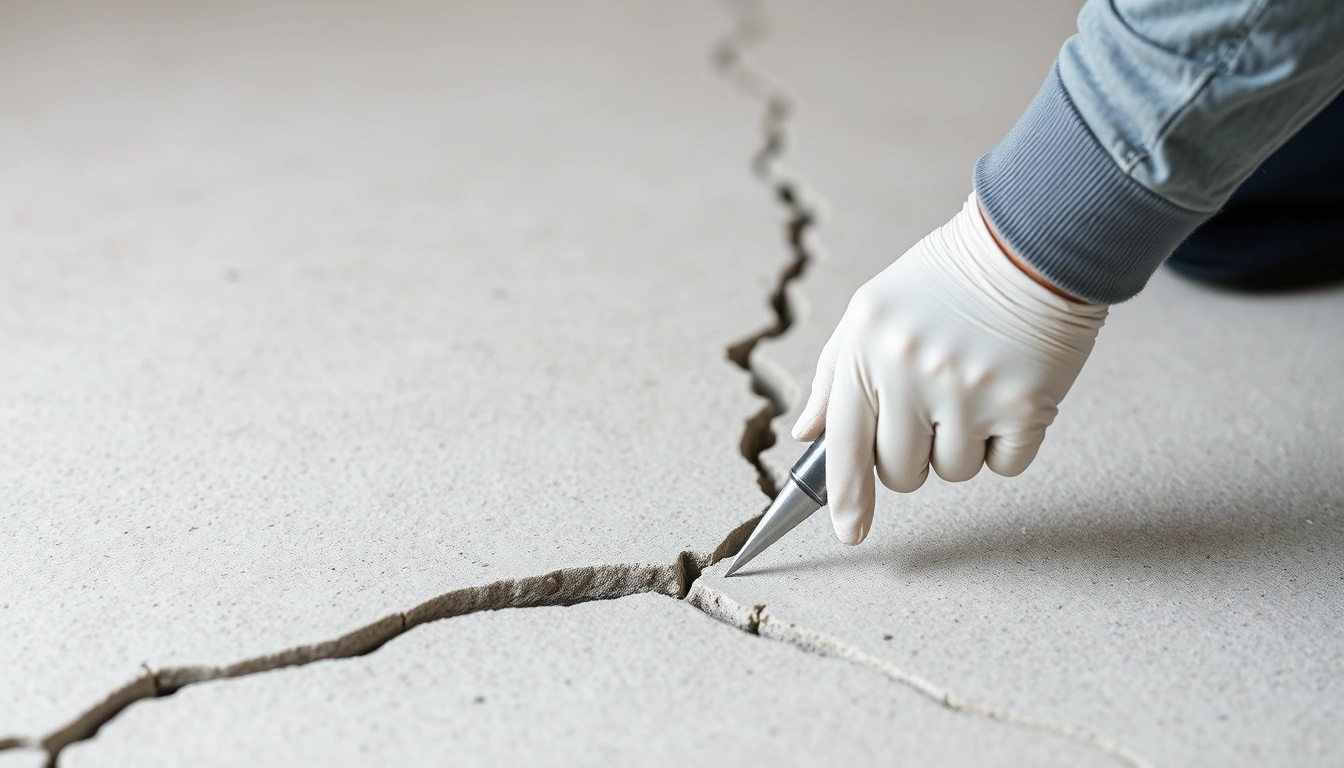
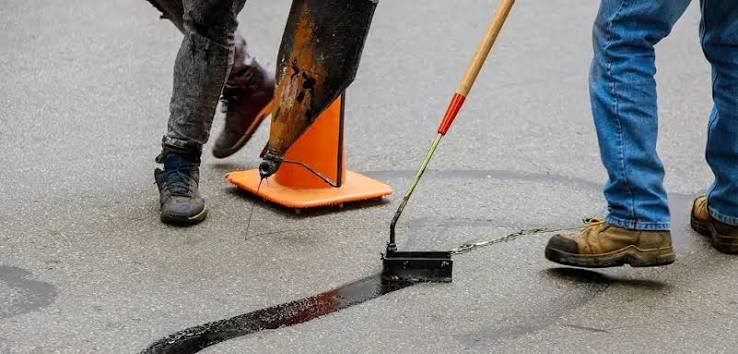
A crack sealing appointment usually starts with a walk-through, then cleaning, then filling, then curing. On a small residential driveway in the Phoenix metro area, that can take about 1 to 3 hours; a larger commercial lot can take half a day or longer, depending on crack length and access.
First comes the inspection. I would expect the contractor to look at crack width, whether the edges are raveled, whether the pavement is failing in broader patches, and whether water is getting under the surface. In Maricopa County, I would pay attention to cracks that run east-west on sun-exposed drives and to areas near downspouts, curb returns, and sprinklers, because those spots take more stress. Ugly little clues. They matter.
Then comes cleaning. A proper seal holds only if the crack is dry and free of sand, dust, and vegetation. In the Valley, that matters because loose desert grit can pack into the opening and keep the sealant from bonding. Many crews use compressed air, wire brushing, or a routed-clean crack before they apply the material. According to the Federal Highway Administration, surface prep is a major factor in crack seal performance.
After that, the crew places the sealant. For asphalt cracks, this is often a hot-applied rubberized material designed to stay flexible through summer heat and cooler winter nights. The goal is not to make the pavement look brand new. The goal is to block water intrusion and slow crack growth. The Asphalt Institute notes that crack sealing is most effective when the crack is stable enough for a flexible sealant. No miracle cure here.
Finally, the crew lets the material cure and gives you a reopen time. That can be as short as 15 to 30 minutes for some products and conditions, or longer if the day is cool, the crack is wide, or the pavement has been shaded and stays tacky. Ask the contractor for the specific cure time before the crew leaves, because a sealed crack that gets driven on too soon can track or smear. NCHRP guidance also emphasizes following the product’s open-to-traffic instructions. Better to wait than deal with a mess.
How much does crack sealing cost in Phoenix?
Crack sealing in Phoenix, Scottsdale, Tempe, Mesa, and nearby towns is usually priced by linear foot, by job minimum, or by project size, and the total depends on crack width, access, prep work, and how much material is needed. A simple residential appointment may land in a modest minimum-charge range, while larger or more damaged lots cost more because the prep takes longer.
Here is the kind of pricing structure I would expect to see in the Phoenix metro area:
| Service type | Typical local pricing structure | What changes the price |
|---|---|---|
| Small residential crack sealing | Job minimum, often for a short driveway or a few cracks | Travel, minimum labor time, cleanup |
| Medium driveway or small lot | Per linear foot or flat project price | Crack width, number of passes, cleaning |
| Larger commercial lot | Usually quoted after site inspection | Traffic control, access, total footage, work hours |
| Crack routing before sealing | Usually an added line item | Depth/width of routing, number of cracks |
| Polyurethane or specialty sealant | Usually higher than standard hot pour | Material type, performance target |
I am skipping a made-up number on purpose. Local pricing shifts with oil-based material costs, labor, and job size. The blunt truth? Small jobs are ruled by minimum charges, not just footage, and bigger lots are driven by the time needed to prep and keep traffic out of the way.
In Phoenix and the East Valley, one cost factor people miss is heat. When pavement is soft in summer, good crews may schedule earlier starts, break the work into shorter windows, or adjust the product and application method. That can affect labor time and therefore the quote. Hot asphalt changes the whole rhythm.
If you are comparing bids, ask whether the estimate includes cleaning, routing, material, masking, and sweep-up. A low quote that excludes those items is not actually lower once the crew adds them later. For budgeting context, the Arizona Department of Transportation recommends matching maintenance timing to pavement condition rather than waiting for a larger failure. Sensible, really.
Why Arizona heat, dust, and drainage change the appointment
Arizona’s climate makes crack sealing more time-sensitive because high UV, wide temperature swings, and low humidity all accelerate asphalt aging. In Phoenix, Gilbert, Chandler, Glendale, and Peoria, that means the same crack can behave differently depending on whether it sits in full sun, shade, or a low spot that catches runoff.
Heat matters because asphalt expands and softens. On a July afternoon, surface temperatures can be far higher than air temperature, and that affects how a sealant flows and sets. A crew may work earlier in the day, avoid peak heat, or choose products rated for hot conditions. If a contractor wants to seal cracks at the hottest part of the day without explaining why, I would ask questions. Why rush that part?
Dust matters because Maricopa County gets a lot of fine debris from nearby landscape beds, construction activity, and wind. That dust sticks to crack walls and weakens adhesion if it is not removed first. A rushed cleanup is one of the easiest ways to shorten the life of a seal.
Drainage matters because water intrusion is what crack sealing is trying to stop. If a driveway slopes toward a garage, a parking lot has standing water, or irrigation overspray hits the pavement every day, the sealant can fail sooner. In those cases, crack sealing helps, but it does not replace drainage fixes. The EPA’s stormwater guidance is clear that repeated ponding and runoff problems need separate attention.
There is also a soil angle in parts of the Valley. Expansive clay pockets and disturbed subgrade near newer builds can make pavement move more than you expect. If the pavement is already heaving, sinking, or breaking apart in larger sections, crack sealing alone is the wrong fix. That math stops working fast.
How to vet a crack sealing contractor in the Valley
A good crack sealing contractor should explain the prep, the material, the cure time, and what is not included, and they should be able to do it without hand-waving. In Arizona, I would also expect them to know local scheduling realities, from summer heat to HOA timing and commercial access windows. For a professional crack sealing service appointment, that conversation should be specific.
Here is the checklist I would use in Phoenix or the surrounding suburbs:
- Ask what sealant they use and whether it is hot-applied or cold-applied.
- Ask whether cracks are cleaned by air, brush, routing, or a combination.
- Ask how they handle cracks wider than about 1/4 inch, since very wide cracks may need more than a simple fill.
- Ask whether the estimate covers traffic control for commercial sites.
- Ask for proof of Arizona contracting compliance if the project is large enough to require a licensed contractor under state rules.
For licensing and consumer-protection questions, I would check the Arizona Registrar of Contractors and the Arizona Attorney General’s consumer resources. If the job is on a commercial property, those records and the contractor’s insurance matter more than a polished sales pitch. The Arizona ROC and AG both publish basic consumer guidance.
I would be cautious with any contractor who says every crack can be “fixed permanently.” That is not how pavement behaves in Phoenix. Asphalt moves. Heat cycles, UV exposure, and subgrade movement keep working after the appointment ends. Crack sealing is maintenance, not magic. End of story.
This is also where service area matters. A contractor who regularly works in Scottsdale’s newer commercial centers may have a different setup than one handling older asphalt in central Phoenix or warehouse lots in Tempe and Tolleson. The right provider should be comfortable serving nearby towns like Mesa, Chandler, Glendale, Peoria, and Gilbert without pretending all pavement behaves the same. If you are not sure, compare a local contractor with a pavement specialist on a related page like commercial asphalt repair or parking lot maintenance.
How long does crack sealing last, and when should it be done?
Crack sealing usually lasts longer when it is done early, on clean cracks, before water gets under the pavement and turns a narrow split into a wider failure. In Phoenix, the timing is often before summer heat and monsoon moisture do the worst of their work, which makes spring and fall common scheduling windows. That is the safer rule of thumb, not an absolute.
A simple rule works here: seal cracks while they are still manageable. Wait until the edges crumble, and the sealant has less to grab. That is especially true on driveways in older Phoenix neighborhoods where the asphalt has already oxidized and dried out. I have seen that kind of delay backfire.
The appointment itself is not the whole lifespan; the condition of the pavement around it matters. A sealed crack in a sound surface can hold up for years. A sealed crack in a section with base failure, oil contamination, or repeated water intrusion can fail much sooner. I would treat crack sealing as a maintenance step between full resurfacing projects, not as a substitute for them. For larger plans, it helps to compare it with sealcoating service and asphalt patching so the repair matches the damage.
Timing in the Valley also affects visibility and speed. In the cooler months, crews may work more comfortably and owners may get more flexible scheduling. In monsoon season, sudden storms can delay work or force rescheduling if the pavement is wet. If your lot stays damp from shade or irrigation, that slows the job too. The National Weather Service’s Phoenix office is a useful check before a scheduled visit. Worth doing.
Red flags during a crack sealing quote
A bad quote often skips prep, avoids discussing cure time, or promises a fix for pavement that needs repair, not sealing. In Phoenix and the East Valley, I would especially watch for quotes that ignore sun exposure, drainage, or summer work conditions.
These are the warning signs I would not ignore:
- No mention of cleaning the cracks before sealing
- No explanation of whether the material is hot-applied or cold-applied
- A price that sounds low but excludes a minimum charge, masking, or cleanup
- A contractor who will not say what happens if it rains or the pavement is damp
- A promise to seal cracks that are clearly tied to alligatoring, heaving, or base failure
The biggest trap is confusion between crack sealing and crack filling. Those terms are often used loosely, but they are not always the same. In practice, sealing usually implies a more deliberate attempt to keep water out of a working crack with a flexible material and proper prep. If the pavement is too broken for that, the honest answer is patching, resurfacing, or replacement.
I would also be careful with any salesperson who dismisses the age of the pavement. Older asphalt in Phoenix can be brittle even if it still looks acceptable from the street. A good contractor should tell you when crack sealing makes sense and when it is just buying time. If the quote sounds rushed, ask for a written scope and compare it with your pavement maintenance checklist. No guessing.
What should I do before the crew arrives?
You should clear the work area, move vehicles, and tell the contractor about gates, irrigation timers, pets, and any hard deadlines before the appointment starts. In a driveway job, that usually means removing cars for at least a few hours; on a commercial lot in Tempe or Phoenix, it may mean setting aside a lane or closing a section for the day.
A few practical steps make the visit easier:
- Park off the pavement for the full appointment window, usually 1 to 3 hours for a small job.
- Turn off sprinklers the day before if possible, especially in Maricopa County where overspray can leave the surface damp.
- Mark any problem areas you already know about, including cracks near curbs, trip edges, and drainage paths.
- Keep pets and foot traffic away until the sealant cures.
- Ask in advance what weather threshold cancels the job. A dry day matters more than a pretty forecast.
If you live in an HOA community in Scottsdale, Gilbert, Chandler, or Peoria, check whether the contractor needs to work within quiet-hour or appearance rules. A clean, well-timed appointment avoids headaches with neighbors and management. For a homeowner, a short prep checklist can save an extra hour of delay.
FAQ: crack sealing service in Phoenix and nearby suburbs
Can I get same-day crack sealing?
Yes, sometimes, but same-day service depends on schedule, weather, and whether the pavement is dry enough. In Phoenix, same-day openings are more realistic for small residential jobs than for large commercial lots.
Do I need to be home for the appointment?
Not always, but someone should be reachable if the crew needs approval for extra cracks, access issues, or a change in scope. For a driveway in Mesa or Chandler, I would at least make sure vehicles are moved before the crew arrives.
Is a free estimate normal?
Yes, free estimates are common for crack sealing, especially for driveways and smaller lots, but not every contractor offers them for larger or highly detailed commercial work. I would ask whether the estimate is on-site or photo-based.
What if my cracks are very wide?
Very wide cracks may need routing, backer material, patching, or a different repair approach, not just sealant. If the crack is tied to movement in the base, sealing alone will not solve the problem.
How soon can I drive on it?
That depends on the sealant, the weather, and the crack size, but many jobs need at least 15 to 30 minutes of undisturbed cure time and sometimes longer. I would not guess; I would ask the contractor for the exact reopen time before the crew leaves.
A professional crack sealing appointment should feel straightforward: clear scope, clear prep, clear timing, and no fantasy about what the repair can and cannot do. In Phoenix, Scottsdale, Tempe, Mesa, Chandler, Glendale, Peoria, and the surrounding suburbs, the right appointment is the one that matches the pavement, the weather, and the actual problem under the surface.