How to Tell if a Foundation Crack Needs Sealing or Structural Repair
Last updated: September 10, 2026
Key Takeaways
- Check again in 30 days, and again after a wet season.
- Monitor for movement over 30 to 60 days.
- You do not need demolition knowledge to make the first call.
- I am also assuming you understand one basic idea: not every crack means the foundation is failing.
A foundation crack needs sealing when the crack is small, dry, and not moving; it needs structural repair when the crack is widening, offsetting one side from the other, or tied to a bigger failure like wall bowing, stair-step cracking, or a sagging floor. This guide on how to tell if a foundation crack needs sealing or structural repair gives you a practical first pass, because choosing the wrong fix can burn money and hide a problem that should have been looked at sooner.
Who this is for, and what you need to know first
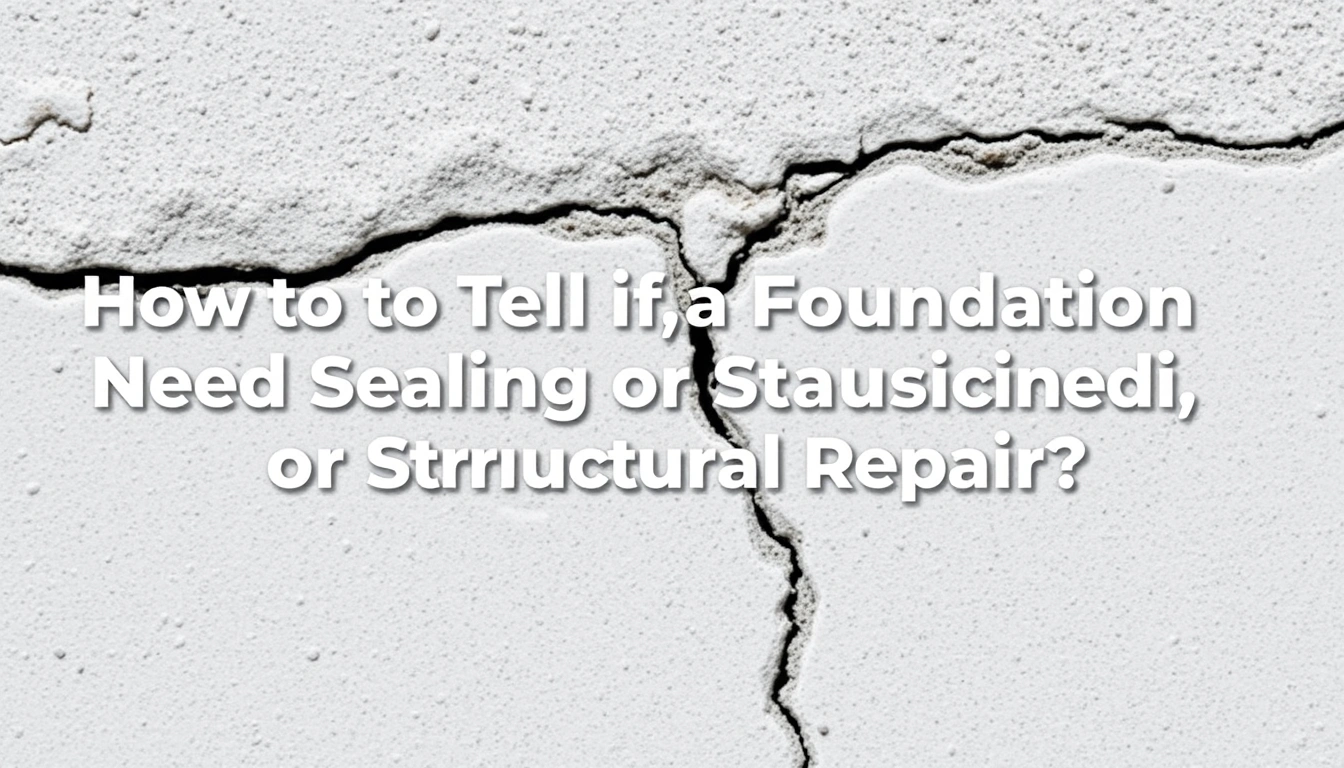
Homeowners and property managers are the audience here — anyone staring at a crack in a poured concrete wall, concrete block foundation, or basement slab and wondering whether a sealant will do the job. This guide on how to tell if a foundation crack needs sealing or structural repair assumes you can get close to the crack, brush off dust, and inspect it in daylight with a flashlight, a tape measure, and ideally a simple level or straightedge. No demolition knowledge required.
I’m also starting from one basic idea: not every crack means the foundation is failing. Concrete shrinks as it cures, and houses shift a little with seasons, soil moisture, and temperature, so a hairline crack in a 10-year-old poured wall is not the same thing as a 3/8-inch crack with one side pushed in 1/4 inch; if you are unsure, consult a qualified foundation professional or structural engineer. That difference is the whole ballgame. NIBS USGS
I would not tell someone to “just seal it” and call it a day. If the crack is actively widening, if the wall is bowing, if doors and windows are suddenly sticking on the same side of the house, or if the crack follows a stair-step pattern through block or brick, you are past simple patching. Those signs point to movement, and movement is a structural question, not a waterproofing one.
Got only a thin, dry crack and no other symptoms? You can inspect it yourself and often seal it yourself. Got water intrusion but no movement? Sealing may still be the right first step, though the source of the water matters. But if movement is there, bring in a qualified structural or foundation contractor before spending money on epoxy, polyurethane, or coating systems.
Is the crack just a leak, or is the wall moving?
Usually, a crack belongs in the sealing bucket when it is narrow, even, and stable; it belongs in the structural bucket when it is wide, offset, diagonal in an ugly way, or paired with wall distortion. Looks can fool you here. The real question is whether the wall is still carrying load in its intended shape.
Start with size. A hairline crack under about 1/16 inch wide, especially in a poured wall, often reflects shrinkage or minor settlement. A crack closer to 1/8 inch deserves closer attention. Once you get into 1/4 inch or more, I would treat it as a real warning until proven otherwise; if you are not sure what you are seeing, consult a qualified foundation professional or structural engineer. Width alone does not decide it, but the odds shift fast. USGCRP USGS
Next, watch for movement. Put a pencil mark on both sides of the crack and note the date. If you can, take a photo with a tape measure in frame. Check again in 30 days, and again after a wet season. A crack that stays the same is very different from one that opens 1/16 inch or shifts side-to-side. Movement means the structure is still active.
Then look for offset. If one side of the crack sits higher, lower, or farther in than the other by even 1/8 inch, that is displacement. Displacement is one of the clearest signs that sealing alone will not solve the issue, although a professional should confirm the cause before you choose a repair. Sealant can stop water; it cannot put concrete back in plane or restore lost support.
Pay attention to the pattern. Vertical cracks in poured concrete are often less alarming than horizontal cracks, especially in basement walls. Horizontal cracks, long diagonal cracks, and stair-step cracks in masonry usually deserve more concern because they can track soil pressure or foundation movement. A horizontal crack that runs more than a few feet in a basement wall is not the same animal as a short vertical hairline crack near the corner of a slab.
Also look around the crack, not just at it. Musty dampness, efflorescence (the white mineral salt deposit on concrete), new gaps around window frames, sloping floors, or doors that rub can point to broader movement. A crack does not need to be huge to matter if the rest of the house is telling the same story.
How do I inspect a foundation crack step by step?
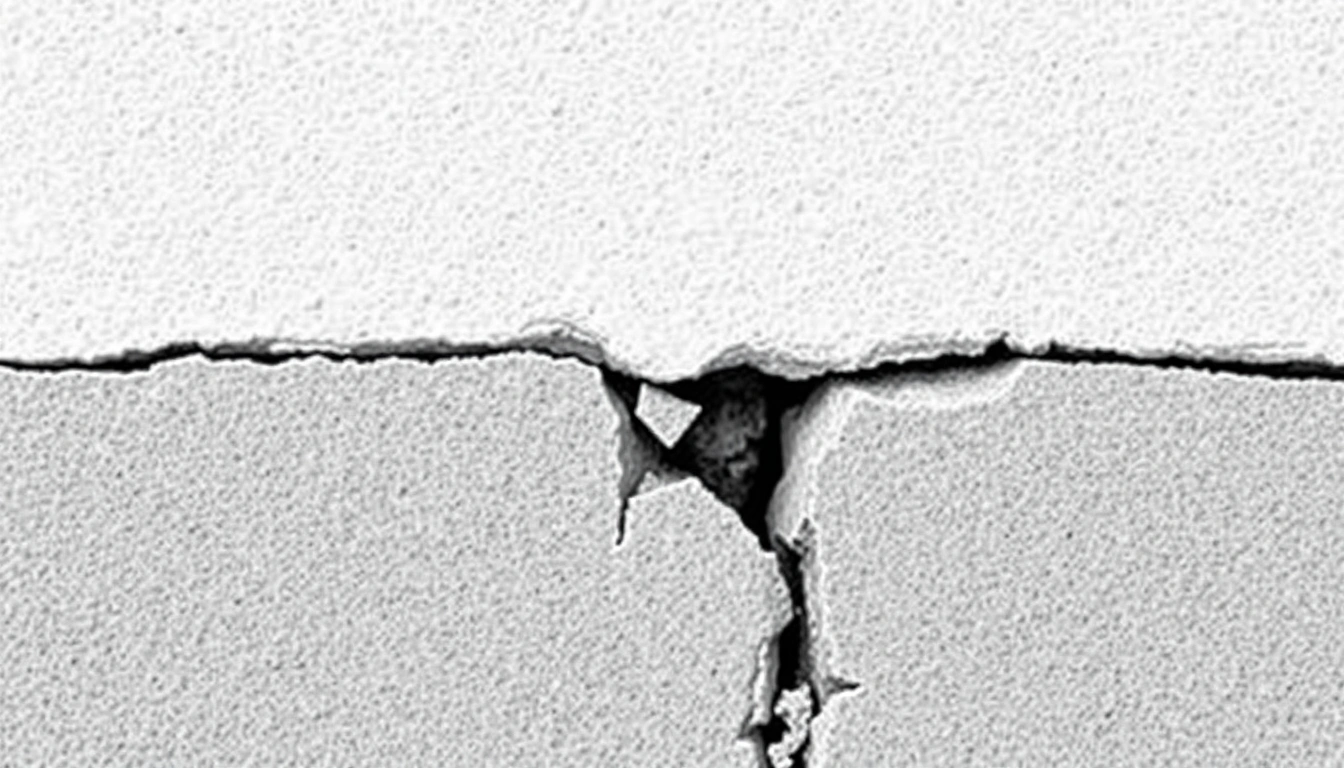
You can sort most cracks into “seal” or “repair” by following a simple inspection sequence, and I would do it in this order every time.
- Clean a 12-inch area around the crack. Brush away dust and loose paint, then wipe it dry so you can see the full line; check whether the crack runs continuously or is broken by patching; if you cannot see both ends clearly, you may be missing a branch or a second crack.
- Measure the widest point with a ruler or crack gauge. Record the width at the top, middle, and bottom to the nearest 1/16 inch; check whether the crack stays uniform; if one section is much wider, the wall may be moving unevenly.
- Check for offset with a straightedge or your fingertips. Lay a 2-foot straightedge across the crack and feel for a lip; check whether one side is proud or recessed by 1/8 inch or more; if the faces are no longer flush, think structural movement, not just leakage.
- Look at the crack direction and length. Note whether it is vertical, horizontal, diagonal, or stair-step, and measure the run in feet; check whether it stops cleanly or turns into another crack; if it follows a long horizontal line in a basement wall, pressure from soil or frost becomes more likely.
- Check the wall on both sides if possible. Inspect inside and outside at the same location; check whether the crack continues through the wall or appears only on one face; if the same crack shows up inside and outside, the wall has likely been stressed through its thickness.
- Look for moisture signs over a 24-hour period after rain or snowmelt. Mark any dampness, efflorescence, staining, or active seepage; check whether water enters through the crack itself or from the slab joint, window well, or nearby penetration; if water appears elsewhere, sealing the crack alone will disappoint you.
- Monitor for movement over 30 to 60 days. Put two pencil marks across the crack and recheck with a tape measure every few weeks; check whether the marks separate or the offset changes; if the crack changes size, you have an active condition that deserves structural attention.
- Compare the crack with other house symptoms. Test doors, windows, floors, and nearby masonry for sticking, gaps, or sloping with a 4-foot level; check whether the crack is isolated or part of a pattern; if several symptoms cluster on the same side, I would not call it a simple sealing problem.
What you want is not a flawless scientific diagnosis. It is a sensible first classification for how to tell if a foundation crack needs sealing or structural repair. If the crack is narrow, dry, flush, and stable, sealing is often appropriate. If it is wide, offset, horizontal, stair-stepped, or changing, structural repair deserves the first look. A bad inspection mistake is to see water and stop there. Water is a symptom. Movement is the issue you must rule out.
What does a sealing-only crack usually look like?
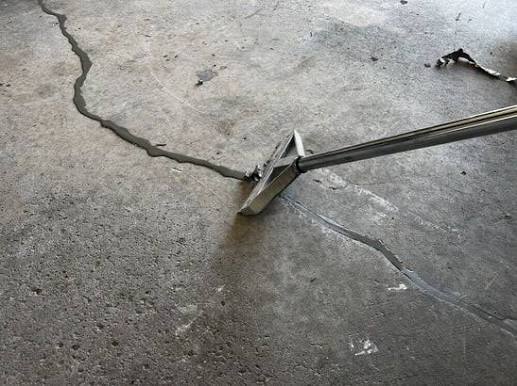
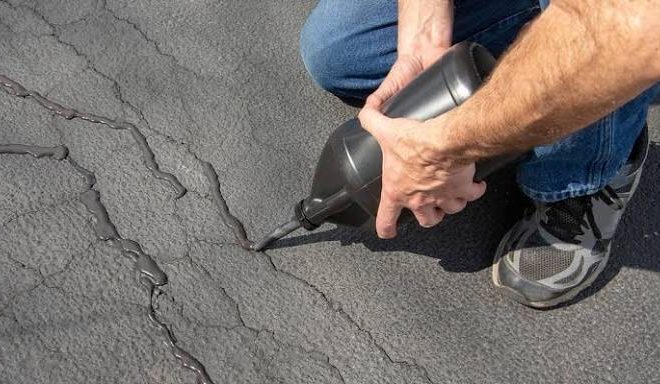
A sealing-only crack is usually stable, with no displacement and no other signs of structural distress. That is the zone where epoxy injection, polyurethane injection, surface sealing, or an exterior waterproofing detail can make sense, depending on whether the goal is strength, leak control, or both.
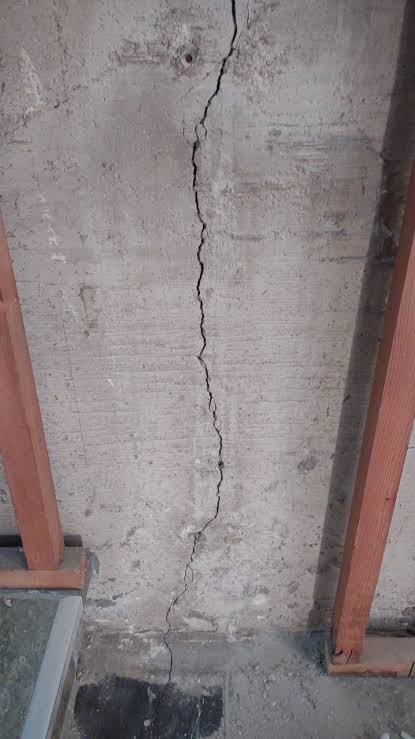
The classic sealing candidate is a vertical hairline crack in a poured concrete foundation wall. If it is under about 1/8 inch wide, shows no offset, and has not grown over time, the wall may simply be showing normal shrinkage or minor settlement. A slab crack that is thin and not telegraphing into the walls can also fall into this category, especially if the surrounding floor is level and the crack is not heaving.
Stability is the real trait. I care less about whether the crack looks ugly than whether it is changing. A 2-foot crack that has looked the same for a year is usually a different conversation from a 2-foot crack that opened after a wet spring. If the crack stays dry except during wind-driven rain or after heavy runoff, sealing may still solve the leak even if the structure itself is sound.
I would choose sealing first when the problem is water entry rather than movement. That means the crack is acting like a channel, not like a sign of wall failure. For example, polyurethane injection is often used to stop active seepage because the foam can expand in the crack and block water. Epoxy injection is the better structural adhesive when the wall is sound and you want to bond the crack. Those are not interchangeable. Epoxy is stiffer; polyurethane is more flexible.
There is a trade-off, and it matters. Sealant can hide the visible line and stop the leak, but it does not fix soil pressure, footing settlement, or a bowed wall. If the crack is still moving, the seal may fail again. So I would not call every leaking crack a sealing-only crack. Leak control is not the same as repair. (Source: American Society of Home Inspectors BASF)
When is a foundation crack a structural problem?
A crack becomes a structural problem when it shows movement, displacement, wall distortion, or a pattern that matches load or soil pressure. Plain and simple: if the wall is not just split but also bending, shifting, or being pushed, sealing is the wrong first move.
The clearest red flags are horizontal cracks, stair-step cracks in block or brick, and cracks with one side pushed inward. Horizontal cracks in basement walls can mean lateral soil pressure, frost pressure, or a wall that is starting to bow. Stair-step cracks in masonry often follow differential settlement or movement through mortar joints. A crack that is wider at one end, or that changes width from season to season, is another sign of active movement.
Look at the wall shape too. A bowed wall, even by a small amount, changes the diagnosis. Use a 6-foot straightedge, string line, or level across the face of the wall. If the wall curves inward visibly or you can measure deflection, that is structural. Cracks and bowing often show up together because the crack is the release point for bending stress.
Age and context matter as well. New construction can show shrinkage cracks in the first year or two; older homes can show settlement cracks after drainage changes, tree removal, or nearby excavation. But age does not excuse ongoing movement. A 30-year-old foundation can still fail if the soil conditions change.
Here is where I draw a hard line: once crack symptoms point to movement, I would not rely on caulk, paint, or surface patching. Those products are for water control and cosmetic cleanup. They do not stabilize a wall. If reinforcement is needed, that can mean wall anchors, carbon fiber reinforcement, helical piers, underpinning, new drainage correction, or a combination. The right repair depends on the cause, and the cause is not always obvious from the crack alone. (Source: InterNACHI Portland Cement Association)
What should make me stop and call for qualified help?
Stop the DIY check and get qualified help when the crack is part of active structural movement, because the wrong repair can waste money and delay the real fix. These are the situations I would treat as stop signs:
A horizontal crack more than a few feet long: this often points to lateral pressure on a basement wall — do not just inject it; have the wall evaluated for bowing and reinforcement.
Any crack with visible offset of 1/8 inch or more: the wall faces are no longer aligned — sealing may stop water but will not restore structural position.
Cracks that widen after rain, thaw, or a dry spell: the movement is active and likely tied to soil moisture or settlement — document it and bring in a structural assessment.
Stair-step cracks in block or brick with gaps at mortar joints: this can indicate differential settlement — the issue may involve footing support, not the crack line itself.
Cracks paired with bowing, bulging, or leaning walls: the wall is deforming — a qualified professional should evaluate it before you cover it with patch material.
New floor slope, sticking doors, or window gaps near the crack: the foundation may be moving beyond the wall surface — the repair has to address the movement, not just the visible split.
If any of those are present, guessing has a simple consequence: you can seal a symptom while the structure keeps shifting behind it. A foundation repair contractor, structural engineer, or both may be appropriate depending on the severity and your local code requirements. I am not saying every house needs engineering. I am saying movement signs deserve more than a tube of sealant.
Common mistakes that lead to the wrong repair
The most common mistake is treating every crack as a leak. That leads to surface sealing on a wall that is actually bowing, which can delay reinforcement and let damage spread. The better move is to check for offset and wall shape before you choose a repair, and if the signs are mixed, ask a qualified foundation professional or structural engineer to confirm the diagnosis. FHWA
Another mistake is judging by width alone. A 1/16-inch horizontal crack can matter more than a 1/4-inch vertical shrinkage crack if the horizontal one is tied to soil pressure. The correct approach is to classify the crack by direction, displacement, and movement, not just by size.
People also patch over wet, dirty cracks without opening or cleaning the surface first. That gives weak adhesion and a repair that peels off or leaks again. If sealing is the right fix, the crack should be cleaned, dried as required by the product, and prepared according to the manufacturer’s instructions or a contractor’s method.
A fourth mistake is ignoring the outside grade and drainage. If downspouts dump water near the foundation or the soil slopes toward the house, sealing may hold for a while and then fail after the next storm. The better fix is to handle runoff and drainage so the wall is not under constant water pressure.
A fifth mistake is waiting too long after you already know the crack is changing. If the crack is still moving, the fix should not be delayed while you keep repainting or resealing the same line. For how to tell if a foundation crack needs sealing or structural repair, movement is the pivot point.