Best Crack Sealant Types for Asphalt, Concrete, and Foundation Walls
Last updated: September 10, 2026
Key Takeaways
- A $250 crack fill that fails after one winter costs more in the long run than a $700 repair that makes it through the next few freeze-thaw cycles.
- Residential crack sealing often takes a few hours, though cure time can be the same day or 24–48 hours depending on the material and weather; consult a professional and check the product data sheet before use.
- What is the best crack sealant for an asphalt driveway in Minnesota? It comes down to crack movement, moisture, and the surface.
- Hot-pour rubberized asphalt sealant is often a strong fit because it stays flexible through freeze-thaw cycles.
The best crack sealant depends on the surface: hot-pour rubberized crack filler is often the right call for asphalt, polyurethane or epoxy is common for concrete, and flexible polyurethane or polyurea is the better fit for foundation walls with active seepage or seasonal movement. Crack sealant types asphalt, concrete, foundation walls matter most when you are trying to decide who to call in the Twin Cities—Minneapolis, St. Paul, Bloomington, Edina, Plymouth, and nearby suburbs—because the real question is not “what sealant exists?” but “which material will stay put in our freeze-thaw weather and on this specific crack?” Simple enough. Not really.
What crack sealant works best on asphalt, concrete, and foundation walls?
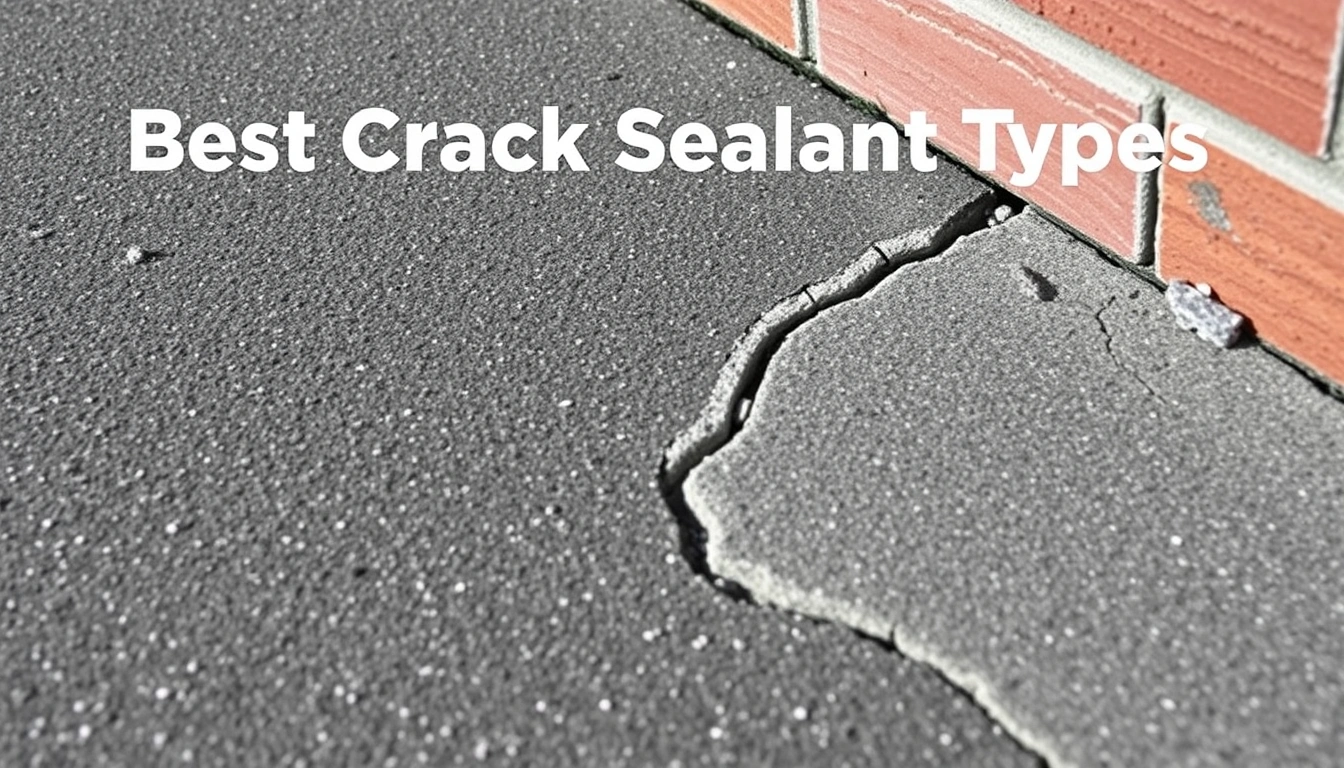
The best crack sealant for each surface is the one that matches the crack’s movement, moisture, and substrate, not the one that sounds toughest on a label.
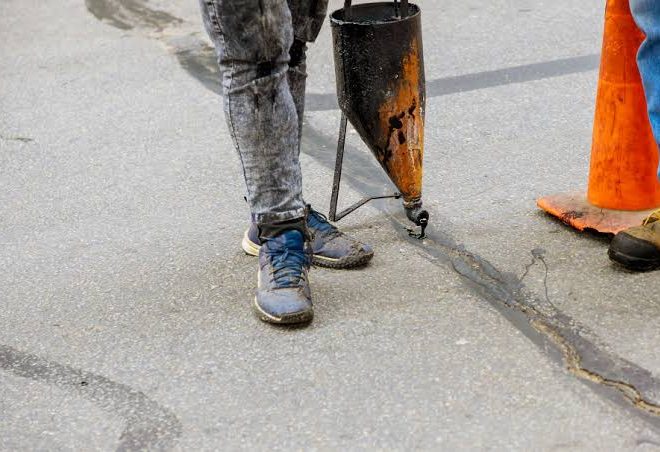
Asphalt driveways and parking lots usually call for hot-pour rubberized asphalt crack sealant. It flexes, bonds well to properly cleaned asphalt, and handles the expansion and contraction that comes with Minnesota’s freeze-thaw cycle. It is the standard pick for long linear cracks, especially the sort that reopen after winter. Cheap fixes look tidy for a minute. Then spring shows up.
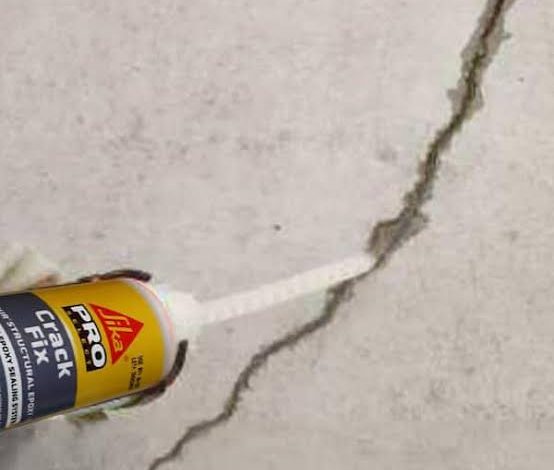
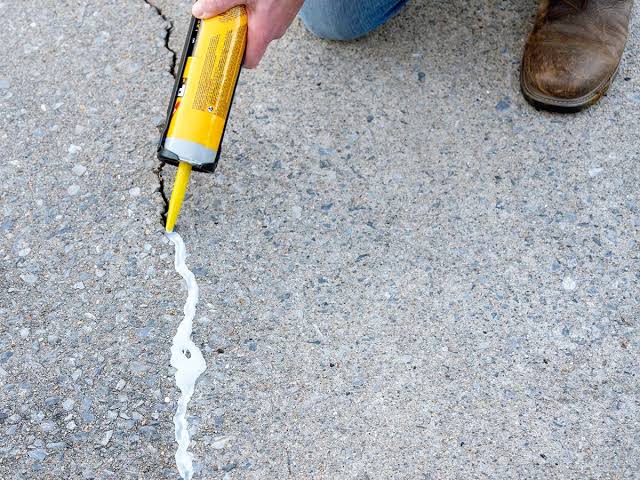
For concrete slabs, sidewalks, garage floors, and warehouse floors, the usual answer is polyurethane when the crack still moves a little, or epoxy when the crack is structurally stable and you want a hard repair. Polyurethane deals with joint and crack movement better. Epoxy is tougher and harder, but it is less forgiving if the slab keeps shifting.
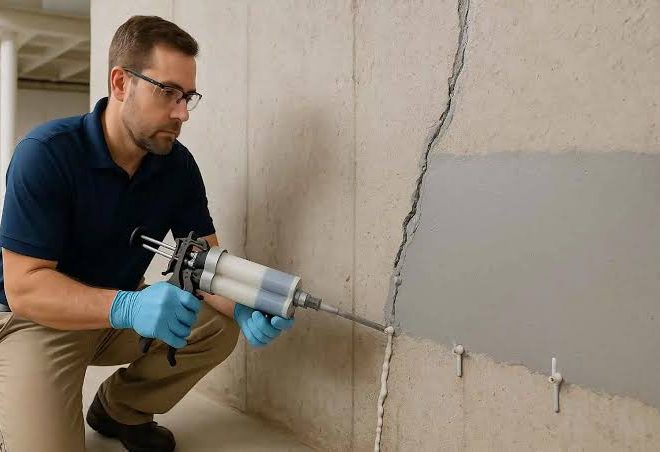
Foundation walls are a different animal, especially poured concrete walls in the Minneapolis–St. Paul area. I would usually choose flexible polyurethane injection for leaks or epoxy injection only when the crack is dry and structural bonding is the goal. If the wall leaks seasonally, epoxy can be the wrong choice because it is rigid. For active water intrusion, you want a material that can move a little with the wall and still seal.
One hard limit: no sealant fixes a crack that is still widening because of drainage failure, heaving, or settlement. A sealant can stop water and slow damage, but it does not correct poor grading, failed gutters, hydrostatic pressure, or base movement.
What crack sealant does each surface need?
Asphalt usually needs a flexible, heated sealant; concrete usually needs either flexible polyurethane or rigid epoxy; foundation walls usually need injection-grade material, not a surface caulk.
Here is the practical breakdown I would use when a homeowner or property manager is deciding what to ask for:
| Surface | Best crack sealant type | Typical use case | Main drawback |
|---|---|---|---|
| Asphalt driveway | Hot-pour rubberized asphalt sealant | Long cracks, working joints, Minnesota freeze-thaw | Needs proper heating and dry prep |
| Asphalt parking lot | Hot-pour or pourable rubberized sealant | Traffic areas, repeated seasonal movement | Bad prep leads to early pullout |
| Concrete sidewalk or slab | Polyurethane sealant | Moving cracks, exterior slabs, garage floors | Not as hard as epoxy |
| Concrete floor with stable crack | Epoxy crack repair | Non-moving structural cracks | Can fail if the crack moves |
| Foundation wall leak | Polyurethane injection | Active seepage, damp cracks | Not meant for a crushed or collapsing wall |
| Foundation wall structural crack | Epoxy injection | Dry, stable cracks needing bonding | Poor choice for wet, moving cracks |
If the surface is asphalt in St. Paul, Roseville, Maple Grove, or Woodbury, I would ask about hot-pour repair first. If the surface is concrete in a garage, sidewalk, or commercial pad, ask whether the contractor plans to use polyurethane or epoxy and why. If the problem is a basement wall crack in a home with clay-heavy soils and spring runoff, ask whether they are proposing injection, exterior excavation, or a drainage fix. That answer matters more than the product name, and our driveway maintenance and basement leak repair pages explain the tradeoffs in more detail. One-size-fits-all repairs? They are usually marketing, not craftsmanship.
What does crack sealing cost in Minneapolis–St. Paul?
Crack sealing in the Twin Cities usually runs from a small repair price for a single crack to a larger project price for multiple cracks, long runs, or foundation work that includes injection and cleanup.
I cannot give you a single honest “best price” because the cost shifts with crack length, access, moisture, and whether the job needs routing, injection ports, or excavation. But these local ranges are realistic enough to help you compare quotes:
| Service in the Twin Cities area | Typical price range | What changes the price |
|---|---|---|
| Asphalt crack sealing, small residential repair | about $150–$400 | Minimum service charge, crack length, cleaning |
| Asphalt driveway crack sealing, multiple cracks | about $300–$900 | Total linear feet, hot-pour vs. cold pour, edge access |
| Concrete crack sealing on slab or sidewalk | about $250–$1,000 | Surface prep, movement, joint width, finish requirements |
| Polyurethane foundation crack injection | about $400–$1,200 per crack | Wall thickness, leak activity, number of ports, interior access |
| Epoxy foundation crack injection | about $500–$1,500 per crack | Structural prep, dry conditions, crack length |
| Exterior foundation excavation and waterproofing at a crack | about $2,000 and up | Dig depth, landscaping, drainage corrections, soil conditions |
In Minneapolis and St. Paul, I would expect the quote to rise when the contractor has to work around limited driveway access, older concrete, steep grades, or finished basements. In suburbs such as Edina, Eden Prairie, Plymouth, Minnetonka, Eagan, and Shoreview, price also moves when the job needs extra protection for landscaping or longer travel time for equipment. For broader context, the Home Depot driveway repair guide and Angi’s crack repair cost overview both note that access, material, and crack length drive pricing.
The cheapest quote is not always the cheapest job. A $250 crack fill that fails after one winter is usually pricier, in practice, than a $700 repair that survives the next few freeze-thaw cycles.
How Minnesota weather changes the job
Minnesota weather pushes crack sealing toward flexible materials and careful timing.
The Minneapolis–St. Paul metro gets repeated freeze-thaw cycles, snowmelt, spring saturation, and hot summer pavement temperatures. So cracks open, close, and move. A rigid filler can shear loose. A sealant installed on a damp or icy surface can bond poorly. A foundation wall crack that leaks in March may look quiet by July and then move again when the ground freezes. According to the Minnesota Department of Transportation, freeze-thaw conditions are a major durability issue for pavement repairs, and concrete or asphalt work performs best when surfaces are clean and dry.
For asphalt, the best window is usually late spring through early fall, when the surface is dry and temperatures support proper bonding. Many asphalt sealants need a warm, clean surface to perform well. A cold-day patch on a damp driveway in January is usually a band-aid, not a real repair.
For concrete, surface moisture matters even more than the calendar. Sidewalks, garage slabs, and patios in neighborhoods like Northeast Minneapolis, Macalester-Groveland, and Bloomington often crack because of age, deicing salts, and movement at control joints. Those cracks need a product that can tolerate movement and a contractor who will grind, rout, or clean the crack properly before sealing. For product guidance, see the PCA concrete repair resources and Sika’s crack injection overview.
For foundation walls, spring is often the season when hidden cracks show themselves. Snowmelt and rain can raise hydrostatic pressure around the foundation. If a wall crack leaks only during wet periods, I would be suspicious of any sealant-only quote that ignores exterior drainage, downspouts, or grading.
The local rule of thumb is simple: if weather is causing the crack to move, the sealant must flex with it. If water pressure is causing the crack to leak, the sealant must be part of a drainage answer, not the whole answer. That math stops working fast.
How I would choose a contractor in Minneapolis, St. Paul, and nearby suburbs
I would choose the contractor who explains the crack, the material, and the prep in plain language, not the one who leads with a low price.
Minnesota does not make crack sealing a place for vague answers. Ask these questions before you book:
-
What sealant are you planning to use, and why?
A good answer names the material type—hot-pour rubberized asphalt, polyurethane, or epoxy—and ties it to movement or moisture. -
Will you clean, rout, grind, or dry the crack first?
Prep is not cosmetic. It is most of the job. A rough, dirty crack can make even a good sealant fail. -
Is this a cosmetic repair or a structural repair?
That answer changes the method. A hairline slab crack and a bowing foundation wall are not the same job. -
Do you handle drainage or foundation waterproofing too?
If a basement wall crack is leaking because the yard slopes toward the house or gutters dump water at the foundation, sealant alone may not last. -
How long will the work take, and when can I use the surface again?
Residential crack sealing often takes a few hours, but cure time can be the same day or 24–48 hours, depending on the material and weather. Foundation injection usually interrupts basement access for less time than exterior excavation, but the cure requirements differ. For exact timing, consult a professional and check the manufacturer’s instructions.
I would be cautious with anyone who gives the same answer for a cracked garage slab in Roseville and a leaking wall in Lakeville. The conditions are different, and the repair should be different.
Red flags: quotes that should worry you
A quote should worry you when it ignores movement, moisture, or surface prep.
The biggest red flags are easy to spot:
-
One product for every crack.
If the contractor recommends the same sealant for asphalt, concrete, and foundation walls, that is a shortcut, not expertise. -
No mention of cleaning or prep.
Crack sealing depends on dry, sound edges. If prep is missing, the repair is already compromised. -
“Permanent” or “guaranteed forever” claims.
That is not how cracks in Minnesota work. Freeze-thaw and soil movement keep happening. -
No explanation of why the crack happened.
A sealing job that ignores grading, gutters, settlement, or heaving is incomplete. -
A basement leak quote that skips drainage.
If the wall leaks because water is trapped outside the foundation, sealant may only buy time.
Who this is not for: if your foundation wall is bowing, your concrete slab has a vertical displacement, or your asphalt is alligator-cracked and breaking apart, sealant is not the fix. At that point, you are past crack sealing and into repair, replacement, or structural work. For those cases, compare our foundation repair and concrete replacement pages before you decide.
When should you schedule crack sealing in this area?
Late spring, summer, and early fall are usually the best times to book crack sealing in the Twin Cities because the surfaces are drier and the temperatures are better for adhesion.
For asphalt in Minneapolis, St. Paul, and suburbs like Wayzata, Brooklyn Park, and Cottage Grove, I would try to schedule before repeated fall freeze-thaw begins. For concrete slabs, I would avoid rushing a repair on a wet surface after snowmelt. For foundation walls, I would not wait for the leak to get worse if water is already reaching finished spaces or stored items.
A typical residential crack sealing visit may take 1 to 4 hours for a small job, longer if multiple cracks need routing, cleaning, injection, or cure time between steps. A foundation crack injection can be faster than exterior excavation, but the right choice depends on whether the wall is dry, damp, or actively leaking.
If you are comparing local estimates, ask whether the quote includes:
- surface prep,
- crack routing or injection ports,
- sealant material,
- cleanup,
- and any follow-up if the crack reopens.
Those details tell you more than a low headline price.
Can you get same-day or emergency crack sealing?
Sometimes, yes, but same-day service is usually a temporary stabilization, not the final repair.
For an active basement leak in Minneapolis or St. Paul, a contractor may be able to respond quickly with an emergency patch or injection plan, especially if water is entering a finished basement. But emergency work is often limited by surface moisture, accessibility, and weather. A foundation wall that is actively dripping after a rainstorm may need short-term control first, then a proper repair once conditions are dry enough.
For asphalt or concrete, same-day service is more realistic for small cracks, but the contractor still needs time for cleaning and cure. If the temperature is too low or the crack is wet, the job may be postponed. That is not a bad sign; it is often the right call.
If you need urgent service in nearby areas such as Falcon Heights, Fridley, Richfield, or Mendota Heights, ask directly whether the contractor can do a temporary stabilization and then return for a full repair. That is often the honest answer.
FAQ: crack sealant for asphalt, concrete, and foundation walls
What is the best crack sealant for an asphalt driveway in Minnesota?
Hot-pour rubberized asphalt sealant is often the best fit because it stays flexible through freeze-thaw cycles, but the right choice depends on the crack, the moisture level, and the driveway condition.
What is the best crack sealant for a concrete garage floor?
Polyurethane is usually the safer choice for a moving crack, while epoxy fits a dry, stable structural crack.
What is the best crack sealant for a leaking foundation wall?
Flexible polyurethane injection is often the better choice for active leaks; epoxy is better for dry structural bonding.
How long does crack sealing take?
Small residential work often takes a few hours, while foundation repairs can take longer if prep, access, or cure time is involved.
Can crack sealing stop basement leaks permanently?
Not always. If the leak is driven by drainage, hydrostatic pressure, or settlement, sealant may need to be paired with exterior waterproofing or grading changes.
Should I get a free estimate?
Yes, if the contractor will inspect the crack type, moisture, and movement before quoting. A good estimate should explain the material choice, prep, and likely cure time.