Polyurethane vs Epoxy for Foundation Crack Sealing in Chicago
Last updated: September 10, 2026
Key Takeaways
- Near 32°F, or in an unheated basement, the job gets trickier; call a qualified contractor.
- Polyurethane injection foam or gel is built to follow water.
- For active leaks, polyurethane usually wins because it stays flexible after cure; still, check with a professional and read the manufacturer guidance.
- Which lasts longer, polyurethane or epoxy?
Polyurethane vs epoxy foundation crack sealing usually comes down to a simple trade-off: water control versus structural bonding. In Chicago, I’d lean toward polyurethane for an active basement crack; epoxy makes more sense when the crack is dry, stable, and you want the concrete fused back together. Freeze-thaw cycles, lake-effect moisture, and older block and poured-concrete foundations in places like Lincoln Park, Rogers Park, and Beverly make that distinction matter more than the brand name on the tube.
I’m writing for the homeowner staring at a crack, a damp basement wall, or a plumber who already suspects the leak is coming through the foundation. This is not really about which product sounds tougher. It’s about fit. The crack. The water. The wall type.
Polyurethane vs epoxy for foundation crack sealing: which one should I choose?
Start with the leak. For most Chicago foundation cracks that are actively seeping, polyurethane is the safer default because it stays flexible and seals moving joints; epoxy is the better structural repair for dry, dormant cracks that do not move. That single fork in the road tells you almost everything.
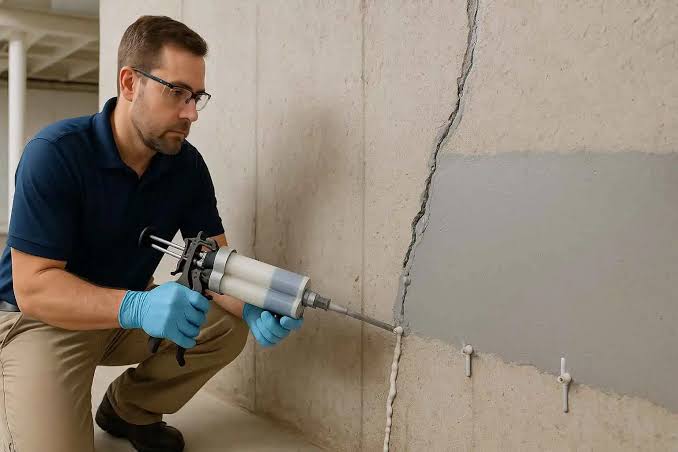
Polyurethane injection foam or gel is designed to chase water. It expands, fills voids, and tolerates a little movement as the wall expands and contracts through winter and spring. Cook County sees repeated freeze-thaw cycles, and those cycles can reopen a tight crack that looked harmless in August. Near the North Branch, in Edgewater, or in suburbs like Evanston and Oak Lawn, seasonal moisture swings can keep a hairline crack “active” even when the wall itself is not failing. According to the National Weather Service, Chicago’s average January low is around 18°F, so cold weather can keep concrete and access areas from behaving like they do in summer. Frozen brick, thawed brick. Different story.
Epoxy is rigid. It bonds to dry concrete and, when used correctly, can restore some structural integrity across a crack. On paper, that sounds stronger. In practice, it only works if the crack is not still moving and not carrying water. A damp crack in Logan Square or Hyde Park after heavy rain? Epoxy is usually the wrong first move, because it does not like wet conditions and it does not tolerate movement well.
My rule is plain: polyurethane for water control; epoxy for structural bonding when the crack is dry. If you only remember one thing, remember that. Not sure? Bring in a foundation repair professional before you buy a kit or sign a work order.
What does foundation crack sealing cost in Chicago?
For a simple injection, foundation crack sealing in Chicago usually lands in the low hundreds per crack, then climbs from there if the crack is long, leaking heavily, or tied to a bigger drainage problem. The exact number depends on access, wall material, and whether the repair is done from the inside or by exterior excavation.
Here is a practical local cost table for Chicago and nearby suburbs such as Cicero, Berwyn, Skokie, and Des Plaines:
| Service type | Typical use case | Common local price range |
|---|---|---|
| Polyurethane injection for one crack | Leaking or possibly active crack in poured concrete | Lower hundreds to around mid-hundreds |
| Epoxy injection for one crack | Dry, stable crack needing structural bonding | Similar to polyurethane or slightly higher, depending on prep |
| Crack sealing plus interior cleanup/dehumidification advice | Light seepage, no major exterior work | Can add a modest service fee |
| Exterior excavation and waterproofing tied to crack repair | Persistent leak, failed interior repair, or soil pressure issue | Often moves into the thousands |
Chicago pricing gets pushed up by labor, access, and the age of the foundation. A crack in a finished basement in Roscoe Village is not the same job as an open utility wall in Joliet. If a contractor gives you a flat quote without asking whether the wall is poured concrete, concrete block, or stone, I’d treat that as a warning light and ask for an in-person inspection.
Permits may not be needed for a simple crack injection, but exterior waterproofing, structural wall work, sump pump changes, or drain tile projects can trigger permit review through the City of Chicago’s Department of Buildings or the local municipality in the suburbs. If the repair is bundled with something bigger, ask who handles permits before work starts. Straight answer, please.
Is polyurethane or epoxy better for a wet basement crack?
Polyurethane is better for a wet basement crack because it seals water intrusion even when the crack is damp, while epoxy generally wants a dry substrate. That’s the core technical split.
A wet crack in a Chicago basement usually has one of three causes: hydrostatic pressure after rain, seasonal expansion in clay-rich soil, or a foundation wall that is moving a little every year. In older parts of the city, especially where homes sit on clay or fill, pressure against the wall can keep feeding water through the same line. Polyurethane handles that better because it remains elastic after cure. Consult a professional if you are seeing active seepage, because the repair should match the wall condition, not just the visible crack. Simple, but not always obvious.
Epoxy has its place. In a dry basement, a poured wall crack that is not leaking and needs continuity across the wall can be a good fit. I think of it as a structural adhesive, not a water-management product. If you see efflorescence, dampness, or a crack that darkens after storms, epoxy is usually the wrong answer on its own.
There’s also a hard limit here: neither material fixes a wall that is bowing, shearing, or being pushed in by soil pressure. If your basement wall in Bridgeport, Belmont Cragin, or a nearby suburb is visibly displaced, you may need carbon fiber reinforcement, wall anchors, drainage correction, or a structural engineer’s opinion. A crack injection is not a substitute for repairing the cause. Nice try, but no.
For standards and technical background, I would look at the American Concrete Institute’s guidance on concrete repair and the International Concrete Repair Institute’s documents on crack repair selection. The wording matters because not every crack is a repair-only problem.
How long does the repair take, and when should I book it in Chicago?
A single crack injection usually takes about 1 to 3 hours on site, but the better season in Chicago is late spring through early fall if the goal is a cleaner, more reliable repair. Timing matters more here than in a mild-climate city.
For polyurethane, a contractor can often work even when the crack is damp, which helps after a storm in April or October. Epoxy likes dry weather and stable temperatures. Chicago winters can leave both the basement wall and the exterior access point colder than ideal, and cold concrete slows prep and cure. Near 32°F, or in an unheated basement, the job gets complicated; ask a contractor whether the wall temperature is suitable before scheduling the repair.
When exterior excavation is part of the plan, the timeline stretches. A simple crack injection may happen in one visit. Excavation, waterproofing membrane, drain tile, or backfill can take several days depending on access, weather, and whether the yard is frozen or waterlogged. In neighborhoods with tight lot lines, alley access, or landscaped yards, logistics can matter as much as the repair method.
I’d book sooner rather than later if you see one of these signs:
- water after a rain event
- a crack that is widening or stair-stepping
- white mineral deposits along the crack
- rust stains or a musty smell in the basement
Dry today but leaked last spring? Don’t wait for the first hard freeze. Chicago weather loves that kind of ambush.
How to vet a foundation crack repair contractor in Chicago
Ask what they would inject, why they chose it, and what they think caused the crack. Don’t lead with the lowest quote. A good answer sounds specific; a bad one sounds like a script.
I’d ask for these four things before hiring anyone in Chicago or the surrounding suburbs:
- A clear explanation of whether they recommend polyurethane or epoxy and why.
- Confirmation that they have experience with poured concrete, block, or stone foundations, whichever you have.
- A written scope that separates crack sealing from drainage or structural work.
- A plan for cleanup and warranty terms in writing.
Illinois does not use a single statewide home-repair license the way some homeowners expect, so local licensing and registration matter. Chicago contractors doing building-related work may need city registration, and many trades require local licensing through the relevant municipality or state scheme. If the repair includes structural work, drainage changes, or plumbing tie-ins, I would want the contractor to explain exactly which permits apply. The City of Chicago and nearby towns can differ, and that difference can change the job by a day or two. Bureaucracy, yes. But it matters.
Red flags are easy to spot:
- “We use one product for every crack.”
- “This will permanently fix structural movement.”
- “No need to look at the outside grade or gutters.”
- “You do not need a permit for anything on this job.”
That last line is especially suspect when the repair is tied to exterior waterproofing, drain tile, or wall stabilization. A good contractor knows when a crack is just a crack and when it is a symptom. If you want a second opinion, check a local foundation repair guide or basement waterproofing overview before you sign.
What goes wrong when the wrong material is used?
Wrong-material repairs usually fail by leaking again, not by looking bad on day one. That is what makes bad crack repairs expensive: the failure often stays hidden until the next heavy rain or freeze-thaw cycle.
Put epoxy on a wet or moving crack, and it can debond or leave pathways for water around the repair. The wall may still leak at the edges even if the center of the crack looks sealed. Use polyurethane where the crack is stable and dry but the homeowner wanted structural bonding, and the leak may stop while the wall still needs a structural solution later.
There’s a bigger issue in Chicago basements too: crack sealing does not fix grading, clogged downspouts, failed gutters, hydrostatic pressure, or a sump system that cannot keep up. In many city neighborhoods and older suburbs, the first cause of a crack leak is not the crack itself but water loading the wall from outside. If the backyard slopes toward the house in South Shore or a downspout dumps at the foundation in Skokie, the sealant choice is only part of the answer. For related fixes, see sump pump installation and foundation drainage.
Honest limitation? If the wall is moving, no injection material is a permanent cure. I would not buy a crack seal as a substitute for stabilization, and I would not trust anyone who sells it that way. The International Code Council and the American Concrete Institute both emphasize matching the repair to the cause, not just the symptom.
Should I get same-day emergency crack sealing or a free estimate?
Call for same-day help if water is actively coming in, but a free estimate is usually enough if the crack is dry and the leak is small. That split saves time and money.
Emergency service makes sense when:
- water is entering during a storm
- the crack is widening by the day
- the basement has finished walls or stored belongings at risk
- the crack is near an electrical area, furnace, or panel
A same-day visit may lead to a temporary seal, an injection repair, or a recommendation to pump out water and stabilize the area first. If a contractor claims an emergency cure without seeing whether the crack is active, I’d be cautious.
A free estimate is usually fine when the crack is dry, the wall is stable, and you are planning ahead for spring or early summer work. That is common in suburbs like Niles, Mount Prospect, and Evergreen Park, where homeowners often schedule exterior work once the ground thaws and the yard is workable. If you are comparing bids, ask whether the quote assumes polyurethane, epoxy, or a broader waterproofing plan. One line can change the whole price.
If you live in Chicago proper, nearby towns, or north and west suburbs, I would still expect the estimator to ask about basement history, recent storms, foundation type, and whether the crack has ever leaked in winter. Those questions matter more than a quick glance. A Chicago basement waterproofing contractor should be able to explain the tradeoff in plain language.
FAQ: Polyurethane vs Epoxy for Foundation Crack Sealing
Which lasts longer, polyurethane or epoxy?
Neither is automatically longer-lasting; the better match to the crack lasts longer. Epoxy can hold very well in a dry, stable crack. Polyurethane is usually more durable in a leaking or moving crack because it flexes.
Can I seal a foundation crack myself?
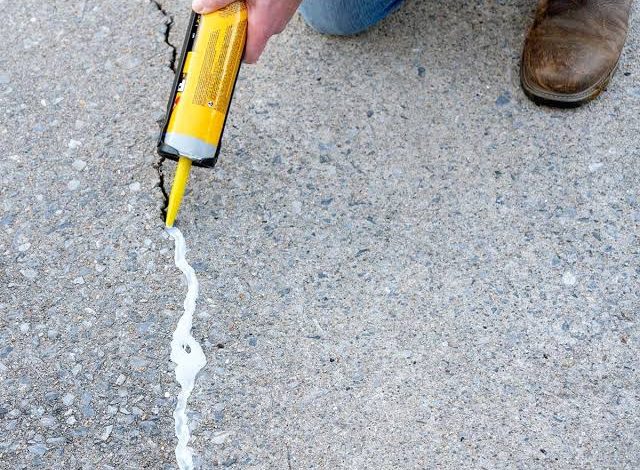
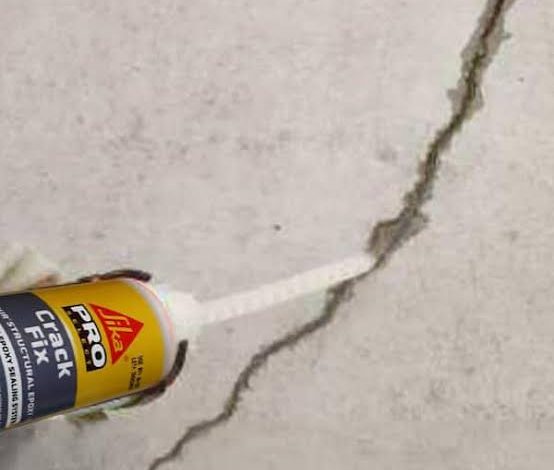
You can try a DIY kit, but I would not rely on it for an active leak in a Chicago basement. DIY kits often miss hidden voids, and they do nothing for drainage problems or wall movement.
Do I need excavation for every crack?
No. Many cracks are handled from the inside with injection. Excavation is usually for repeated failure, exterior water entry, or larger waterproofing work.
Is one material safer for old Chicago homes with block foundations?
For block foundations, polyurethane is often the more practical water-sealing choice because block walls tend to leak through mortar joints and voids. Epoxy may still have a place on a dry, stable crack, but it is not the first material I would reach for on a wet block wall.
What should I ask for on the phone?
Ask whether the crack is a polyurethane or epoxy candidate, whether the quote includes prep and cleanup, how long the repair should take, and whether the contractor serves your part of Chicago or nearby suburbs such as Evanston, Oak Park, Cicero, or Berwyn. Consult the contractor before you decide, and compare the answer with manufacturer data and local code requirements.