How to Choose Crack Sealant Caulk, Pourable Sealant, or Injection Resin
Last updated: September 10, 2026
Key Takeaways
- A small job in a garage slab may take 1 to 3 hours once the prep is done.
- The right method depends on crack width, movement, orientation, and whether water is active.
- That sounds simple, but that is where most bad purchases happen.
- In Cook County and DuPage County, clay-heavy soils and repeated winter freeze-thaw can keep a crack active.
Trying to choose crack sealant caulk, pourable sealant, or injection resin? Start at the crack itself. Use caulk for narrow, surface-level cracks; pourable sealant for wider or irregular horizontal cracks and joints; injection resin for structural cracks that need to be filled through the thickness of the concrete. Brand names matter less than that call. In Chicago, the western and southern suburbs, and Cook County, freeze-thaw cycles, clay soils, and spring groundwater put real stress on concrete. No mystery there.
Which crack repair method fits the problem?
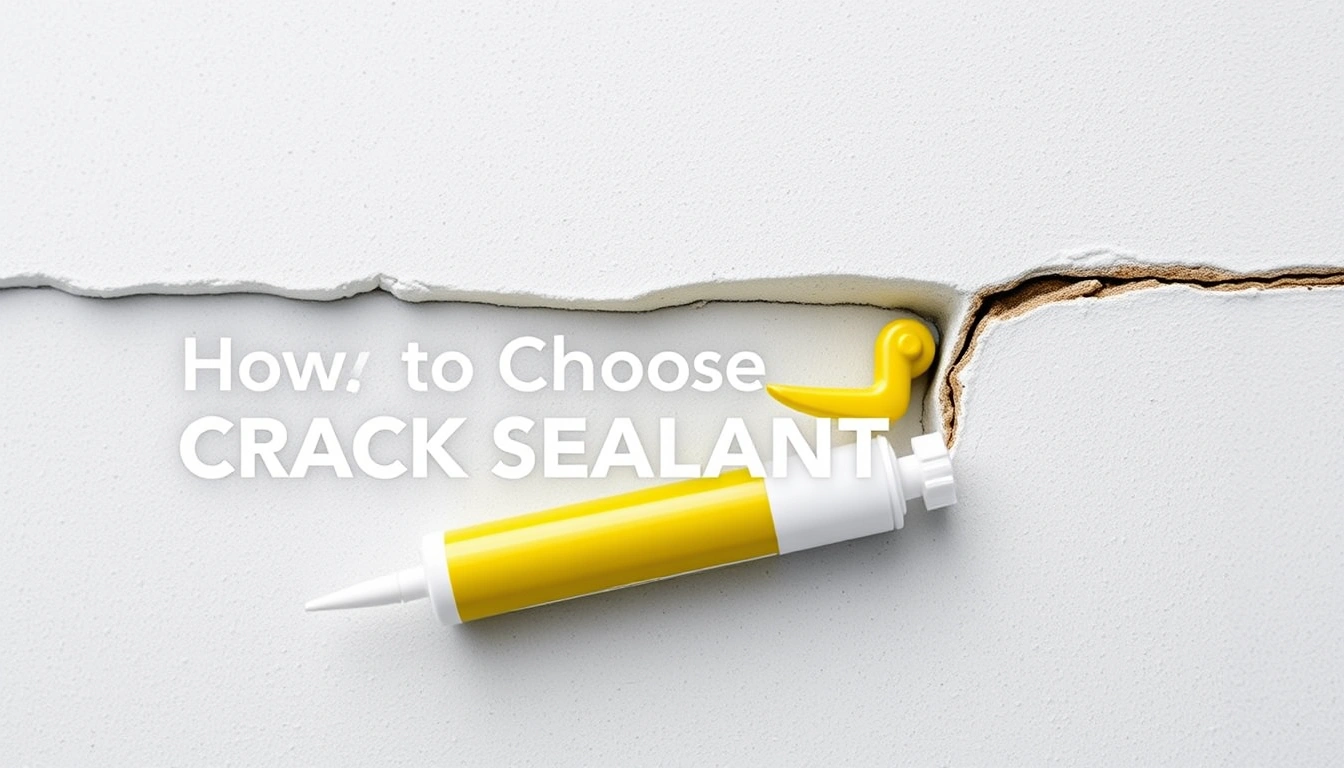
Four things drive the choice: crack width, movement, orientation, and whether water is active. A 1/16-inch hairline crack in a basement wall is not the same job as a 3/8-inch slab crack in an Elmhurst driveway or a leaking expansion joint in a Naperville garage.
Here is the basic split I use:
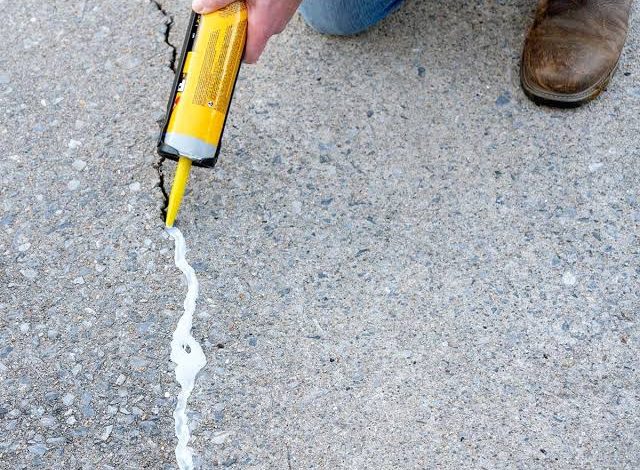
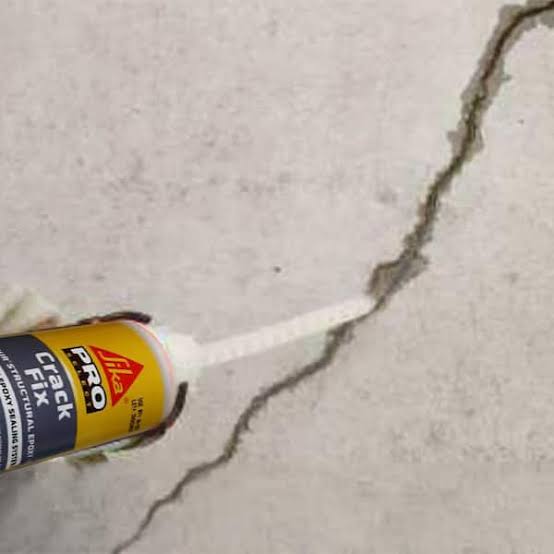
- Crack sealant caulk: best for narrow cracks, usually around 1/8 inch or less, where flexibility matters more than structural strength.
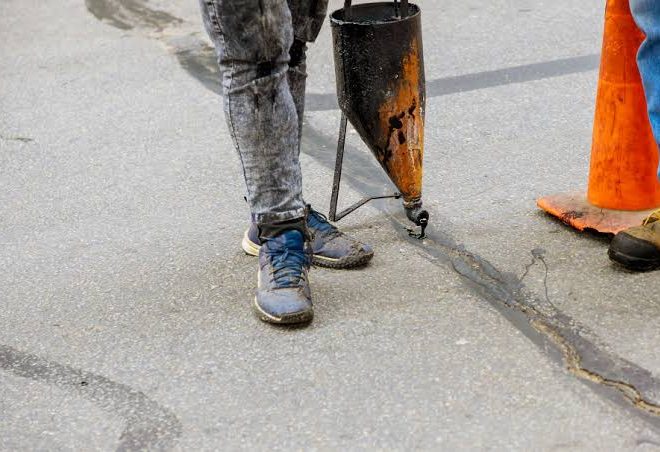
- Pourable sealant: best for wider horizontal cracks, routed cracks, and joints, often around 1/4 inch to 1/2 inch or more depending on the product.
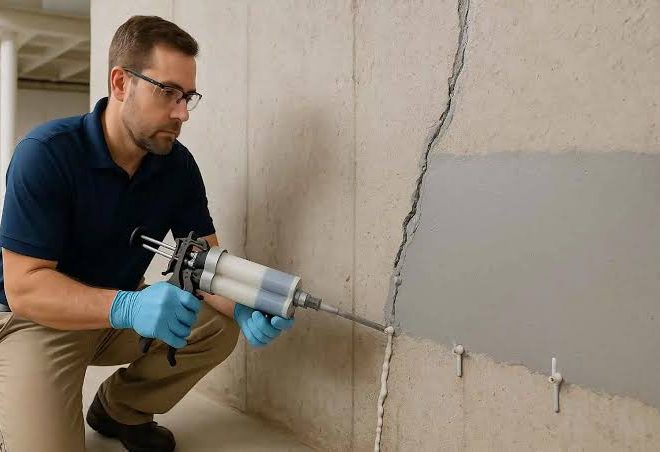
- Injection resin: best for cracks in walls, foundations, or slabs where you want the material to bond the crack internally, often for dry to slightly damp structural cracks depending on the resin type.
Still widening? Shifting with the seasons? One side higher than the other? Then I would call for a professional evaluation, not a quick patch. In Cook County and DuPage County, clay-heavy soils and repeated winter freeze-thaw can keep a crack active. That can feel like chasing a ghost. A flexible sealant may stop water, but it will not make a moving foundation wall structurally sound. For structural movement or offset, the safer next step is to consult a licensed foundation contractor or structural engineer, which aligns with ICC guidance on evaluating foundation distress and with ASCE recommendations on crack diagnosis. Foundation repair and concrete crack repair are often discussed together because the cause matters as much as the crack line.
A local concrete contractor or foundation specialist may also check whether the crack is tied to drainage, downspout discharge, or grading. In neighborhoods with older homes in Oak Park, Evanston, Berwyn, and Cicero, water management often matters as much as the crack itself. If water keeps reaching the foundation, even the best repair can fail early. See also basement waterproofing and drainage solutions.
Crack sealant caulk: when I would choose it
Crack sealant caulk makes sense when the opening is narrow, easy to reach, and likely to move a little. For a hairline to 1/8-inch crack in a vertical surface, control joint, or small gap, I would pick it for flexibility and simple application.
Caulk fits when:
- the crack is shallow or surface-level
- the area needs a neat finish
- the crack may open and close with temperature changes
- you need a fast patch without routing or injection equipment
But here is the trade-off: caulk is usually the weakest of the three choices in terms of structural filling. It seals and flexes. It does not rebuild a cracked slab or foundation wall. If a basement wall in Schaumburg is leaking through a long diagonal crack, caulk may hide the line without solving the leak path.
I would also skip caulk if the crack has dusting concrete, crumbling edges, or ongoing seepage. Caulk needs a sound edge to bond to. If the edge keeps breaking away, the repair follows the failure. Simple as that.
For local jobs in Chicago, I also pay attention to seasonal movement. On hot July days and freezing January mornings, a small crack can change size enough that the sealant should have real elasticity, not just a cosmetic match. Manufacturer data and the Portland Cement Association both stress that surface prep and joint movement determine whether a flexible sealant survives. Portland Cement Association and ICC both emphasize matching the repair to the substrate and movement, not just the visible crack.
Pourable sealant: when it makes more sense
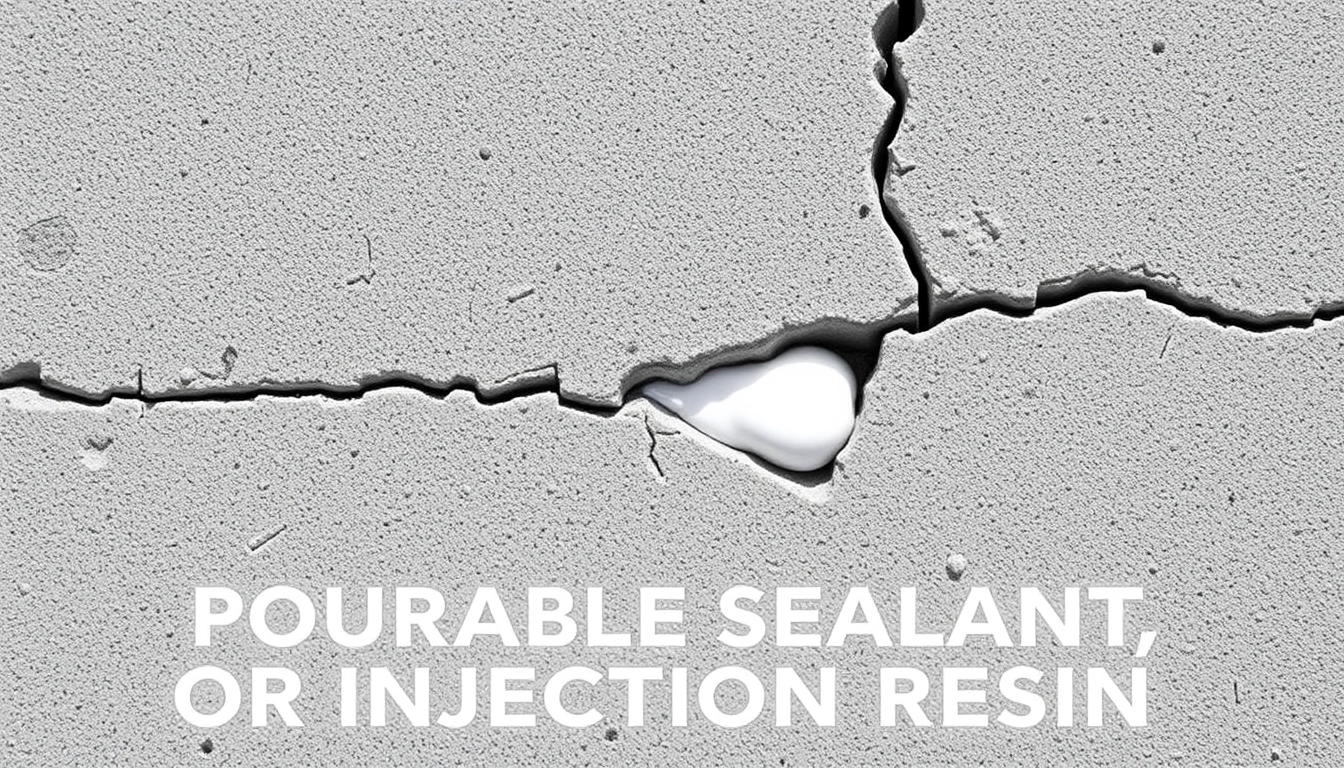
I would choose pourable sealant when the crack is wider, horizontal, or too irregular for a neat caulk bead. This is often the better choice for slab cracks, driveway cracks, garage floors, and expansion or isolation joints where the opening may be around 1/4 inch or larger.
Because it flows, pourable sealant can fill voids. That helps in:
- long cracks in a garage slab in Naperville or Downers Grove
- driveway joints exposed to road salt and snowmelt
- uneven cracks where a gun-applied bead would bridge over gaps
- horizontal surfaces where a self-leveling product can settle into place
The downside? Spill and containment. Pourable sealant is not the right answer for a vertical basement wall unless the product is specifically made for that use. It can also telegraph surface imperfections. If the crack edges are loose or the joint is contaminated with dust, oil, or de-icing residue, the sealant may not bond well.
In this region, I would be careful with driveways and garage slabs because winter salt, plowing, and repeated thaw cycles can punish a weak repair. If water ponds near the crack in March and then freezes at night, a shallow filler can fail quickly.
A good rule: if the crack is on a horizontal surface and you can picture the material flowing into it rather than sitting on top, pourable sealant is usually the better starting point. On product sheets, self-leveling polyurethane and concrete joint sealants are commonly specified for horizontal joints, while vertical applications call for non-sag formulas. The difference is small on paper and obvious on the slab.
What does injection resin do that the others do not?
Injection resin is the pick when you need to fill the crack through the depth of the concrete instead of just sealing the top. I would look at it for structural cracks in poured concrete walls, basement walls, and some slabs where the goal is to bond the concrete back together or stop water from traveling through the full thickness.
There are two broad resin types you will hear about:
- Epoxy injection: used when structural bonding is the priority and the crack is generally dry
- Polyurethane injection: used when water is active or the crack is expected to stay slightly damp, because it can expand and help block leaks
This is where generic advice goes off the rails. Injection resin does not automatically mean a stronger repair in every situation. The right resin depends on whether you need strength, water control, or both. A dry crack in a basement wall in Arlington Heights may be a candidate for epoxy if a professional says it is structurally stable. A leaking crack in a Lombard foundation wall often points toward polyurethane if water control is the main problem. ASTM C881 is one of the standard references for epoxy systems used in concrete repair, and that matters because not every resin behaves the same. ASTM International is one of the main standards bodies contractors use to compare materials.
Injection resin is not my pick for every crack. It is the least forgiving option if the crack is dirty, actively shifting, or badly fractured. It also usually requires more skill, more prep, and more tooling than caulk or pourable sealant. If the crack is really a joint or a broad surface defect, injection can be the wrong tool entirely. The American Concrete Institute and ICC both note that diagnosis comes before material selection, which is exactly why the same crack can lead to different repairs. (Source: American Concrete Institute)
Cost in Chicago and the western suburbs: what changes the price
Price goes up with crack length, access, moisture, and whether the repair is cosmetic or structural. In Chicago, Evanston, Oak Park, Skokie, Cicero, and nearby suburbs, contractors also price around basement access, parking, seasonal demand, and whether the work needs drying, routing, or cleanup of old failed material.
Here is a practical local range to help compare quotes:
| Repair type | Typical local range | What drives the price |
|---|---|---|
| Crack sealant caulk | $150–$400 for small repairs | Short crack length, easy access, simple prep |
| Pourable sealant | $250–$700 for typical slab or joint repairs | Routing, length, horizontal placement, cleanup |
| Injection resin | $400–$1,200+ per crack or crack section | Wall access, active water, epoxy vs polyurethane, number of ports |
Those are working ranges, not promises. A long basement crack in a townhouse near the lakefront may cost differently from a driveway crack in Joliet or Orland Park because access and moisture change the labor. Emergency visits, night work, and hard-to-reach utility rooms can raise the total fast. National concrete-repair guidance from industry and standards groups keeps circling back to the same drivers: prep, access, and material type matter more than crack length alone. Two 10-foot cracks can price very differently. Annoying, but true.
If a quote is far below the local range, I would ask what is being skipped. Low quotes often leave out surface prep, crack routing, or proper port spacing. If the quote is far above the range, I would ask whether structural evaluation, waterproofing, or a broader drainage fix has been bundled into the number. A quote that names the crack length in feet and the repair type in writing is easier to compare than one that only gives a lump sum. Get a repair estimate and compare the scope, not just the number.
How Chicago weather and soil change the choice
Chicago’s freeze-thaw cycles and the clay soils across much of the metro area push cracks to move, reopen, and leak. That is why I would not choose the product only by crack width. I would choose it by what the weather and soil are doing to the concrete.
A few local realities matter:
- Winter freezing can turn a small water path into a larger crack when trapped moisture expands.
- Spring thaw and rain can reactivate basement leaks in neighborhoods with high groundwater or poor drainage.
- Clay-heavy soils around parts of Cook, DuPage, and Will counties can shrink and swell with moisture swings, stressing foundations and slabs.
- Road salt on driveways and garage floors can break down marginal repairs faster than indoor conditions do.
This is why a flexible sealant can be the right answer for a joint that opens and closes, while injection resin may be better for a wall crack that needs to be stopped at depth. It is also why an interior patch alone is often not enough if the real problem is grading, gutter runoff, or a downspout dumping water beside the foundation. The U.S. EPA’s drainage and runoff guidance is a good reminder that water management is part of the repair, not a side note. U.S. (Source: Environmental Protection Agency)
If you are in older housing stock in the city or first-ring suburbs, I would be especially careful with basement wall cracks that extend from the top of the wall down toward the footing. Those deserve more than cosmetic sealing. A crack that reaches that far can point to movement, water entry, or both, so the repair choice should follow the cause.
How to vet a crack repair contractor in the Chicago area
I would hire someone who can explain why one product fits the crack better than the others and who can say what they will do if the crack is active. If they only talk about “sealing it up,” that is not enough.
Ask these questions:
- Is this crack a seal, a structural repair, or a water-control job?
- Will you use caulk, pourable sealant, epoxy injection, or polyurethane injection?
- What prep is included: routing, cleaning, drying, port installation, or grinding?
- What happens if the crack is still moving after the repair?
- Do you handle basement walls, garage slabs, driveways, and expansion joints differently?
In Illinois, contractors doing this kind of work may need to follow local licensing, business registration, and permit rules depending on the municipality and the scope of the job. Chicago and many suburbs have their own building departments, so I would not assume a permit question is automatically answered by a generic answer. For structural foundation work, it is worth checking the local building department and, if the crack is severe, speaking with a licensed structural engineer or qualified foundation contractor.
I also think it is fair to ask for a written scope that names the material type and the crack length covered. A good estimate usually makes clear whether the price covers one crack, one section, or multiple areas. If the contractor will not name the product or the repair length, that is a warning sign.
When should I book the repair, and can it be done fast?
Book it as soon as the crack starts leaking, widening, or showing fresh staining, because waiting through another freeze-thaw cycle can make the repair harder and more expensive. In the Chicago area, the busiest repair windows are often spring and fall, when temperature swings expose problem cracks and contractors’ schedules tighten.
Fast service is most realistic when:
- the crack is accessible
- the area is dry or only lightly damp
- the repair is caulk or pourable sealant rather than full injection
- no structural review is needed first
Need same-day or emergency service? Say that when you call. I would expect the fastest response for a visible leak in a basement wall or active seepage at a driveway crack during a storm, but same-day work is not always available, especially in peak weather.
A small job in a garage slab may take 1 to 3 hours once the prep is done. Injection work can take longer because of port placement, resin curing, and cleanup. If a contractor says the job is finished in 15 minutes, I would ask what preparation is included, because prep often decides whether the repair lasts.
Nearby service areas in the Chicago metro often include Oak Park, Evanston, Skokie, Cicero, Berwyn, Elmhurst, Naperville, Schaumburg, Downers Grove, Lombard, Orland Park, and Joliet, but exact service radius depends on the contractor and whether the job is residential or commercial. For a leaking crack, same-day repair is sometimes possible, but the material choice still has to match the crack.
Red flags in quotes and repairs
Walk away from any quote that promises one material for every crack. Concrete does not work that way. A basement wall crack in Lincolnwood and a driveway joint in Tinley Park are not the same repair, even if both are “just cracks.”
Watch for these problems:
- No mention of crack width or crack type
- No explanation of prep
- No difference between sealing and structural repair
- A quote that ignores drainage or active water
- A promise that the repair will make the crack disappear forever
That last one is the one I trust least. Concrete moves. Chicago winters make sure of it. The honest goal is to stop water, reduce movement at the crack line, and choose the material that fits the job.
If the crack is dry and stable, a simple seal may be enough. If it is leaking and active, the repair should match the cause, not just the visible line.
FAQ
Can I get same-day crack repair in Chicago?
Yes, for some caulk or pourable sealant jobs, same-day service is possible if the crack is accessible and the weather cooperates. Injection resin jobs usually take longer because of prep and curing.
Is a free estimate worth asking for?
Yes, especially for basement cracks, driveway cracks, or anything that may be structural. A free estimate should tell you whether the job needs caulk, pourable sealant, or injection resin and whether drainage is part of the problem.
Which is best for a leaking basement crack?
Polyurethane injection is often the first thing I would consider for an actively leaking basement crack, but the final choice depends on whether the wall is structurally sound and how much moisture is present.
Can a crack sealant fix a moving foundation crack?
No, not by itself. It may block water or cover the surface, but a moving crack usually needs diagnosis before you choose crack sealant caulk, pourable sealant, or injection resin.